Friday, September 18, 2026

Hair Cute Ideas for Your Next Fresh Style

Hair Cute Ideas for Your Next Fresh Style

A fresh style should feel exciting, flattering and realistic for the way you actually live. The best hair cute ideas are not just pretty photos saved to your phone, they are choices that work with your texture, face shape, maintenance routine and the occasions you have coming up.

Whether you want a small refresh or a full transformation, the goal is to leave the salon feeling like yourself with more polish, shape and confidence. At Kingdom Cute in Warner Robins, GA, that starts with a personalized consultation, because the same cut or color can look completely different depending on density, length, curl pattern and styling habits.

How to Choose Hair Cute Ideas That Still Feel Like You

Before picking a style, think about what you want your hair to do for you. Do you need easier mornings, more volume, a softer grow-out, a bolder color or a look that photographs beautifully? A great salon result starts with clarity, not pressure to choose the trendiest option.

The most wearable hair cute inspiration usually sits at the intersection of three things: what flatters you, what your hair can comfortably support and what you will maintain between appointments. That is why a consultation matters, especially if you are considering bangs, layers, extensions, dimensional color or a chemical smoothing service.

If you are gathering inspiration photos, choose images that show the front, side and back of the style when possible. It also helps to bring examples of what you do not want, such as too much volume at the crown, blunt ends or face-framing pieces that feel too short. For a smoother visit, Kingdom Cute has a helpful guide on how to prepare for your next hair appointment before you sit in the chair.

Fresh Style Ideas by Hair Length

Length is one of the easiest ways to narrow your options. You do not have to make a dramatic cut to feel new, but you do need a shape that supports your daily styling routine.

Short hair: soft shape, clean edges and easy movement

Short styles feel fresh when they have intentional structure. A rounded bob can make fine hair look fuller, while a textured pixie can bring out cheekbones and eyes. If you like short hair but still want movement, ask your stylist about soft layers through the crown or a bixie shape that blends the polish of a bob with the ease of a pixie.

A short cut works best when the details are customized. The neckline, sideburn area, fringe length and parting all change the final effect. If you are curious about going shorter, these pixie cut ideas for your next salon visit can help you compare shapes before committing.

Medium hair: the sweet spot for versatility

Medium-length hair gives you room to switch between sleek, curled, pinned-up and air-dried looks. A collarbone cut with light layering is especially flattering if you want movement without losing the feeling of length. For thicker hair, interior layers can remove bulk while keeping the perimeter full.

When choosing hair cute ideas for medium lengths, focus on how the ends fall. Blunt ends feel modern and polished, while soft layers give bounce and make curls or waves easier to style. A long curtain bang can also make the whole cut feel new without requiring a big chop.

Long hair: face-framing pieces and healthy ends

Long hair looks freshest when the shape is intentional. If your length feels heavy or shapeless, face-framing layers can open up the face and make styling feel lighter. Long layers can also help waves and curls form with less effort.

If you love your length, do not underestimate the power of a clean trim, a conditioning treatment and a glossy finish. Long hair needs strong ends to look luxurious, especially if you use heat tools, color services or extensions.

Color and Finish Ideas That Make a Style Feel New

Color can change your entire look without changing your length. The key is choosing a tone and placement that match your skin tone, maintenance preference and desired level of brightness.

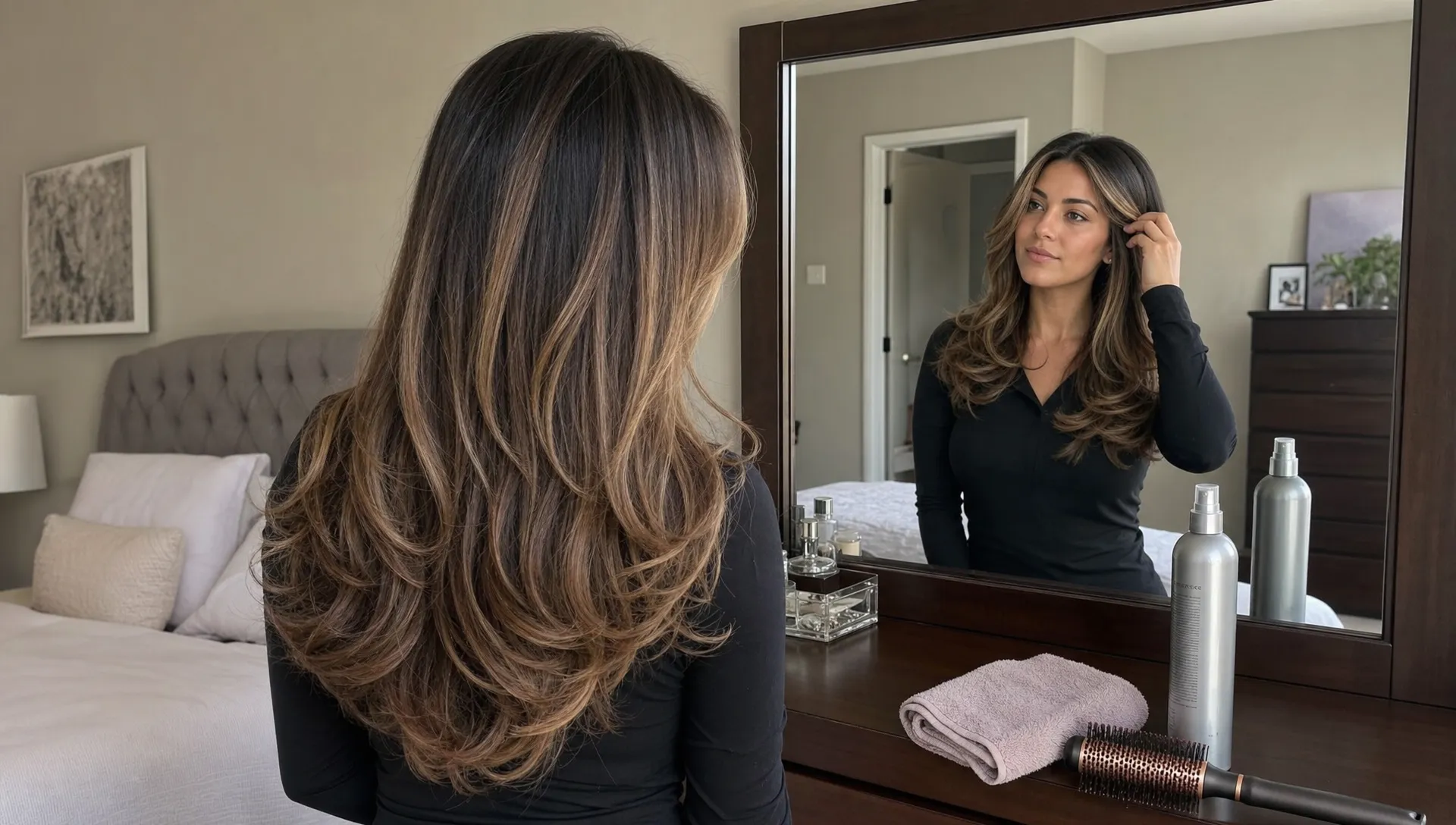
Soft highlights around the face can make hair look sunlit and dimensional. Rich brunette gloss, warm caramel ribbons, copper accents and deep espresso tones all create a polished effect when paired with a strong cut. For blondes, a root shadow or lowlight can soften regrowth and make the color feel more expensive.

The right hair cute color idea should also consider upkeep. A vivid fashion color may require more frequent care, while a gloss or subtle balayage can offer a softer grow-out. Talk honestly with your stylist about how often you want to return to the salon.

If you want... Ask your stylist about... Why it works
A subtle refresh Gloss, toner or face-framing brightness Adds shine and dimension without a major change
More movement Balayage, ribbons or soft highlights Makes layers and curls more visible
A richer finish Brunette glaze, espresso tone or warm lowlights Creates depth and a healthy-looking shine
A bold update Copper, vivid panels or high-contrast placement Gives impact while allowing customized placement
Lower maintenance Root shadow, lived-in color or blended dimension Helps soften the grow-out between visits

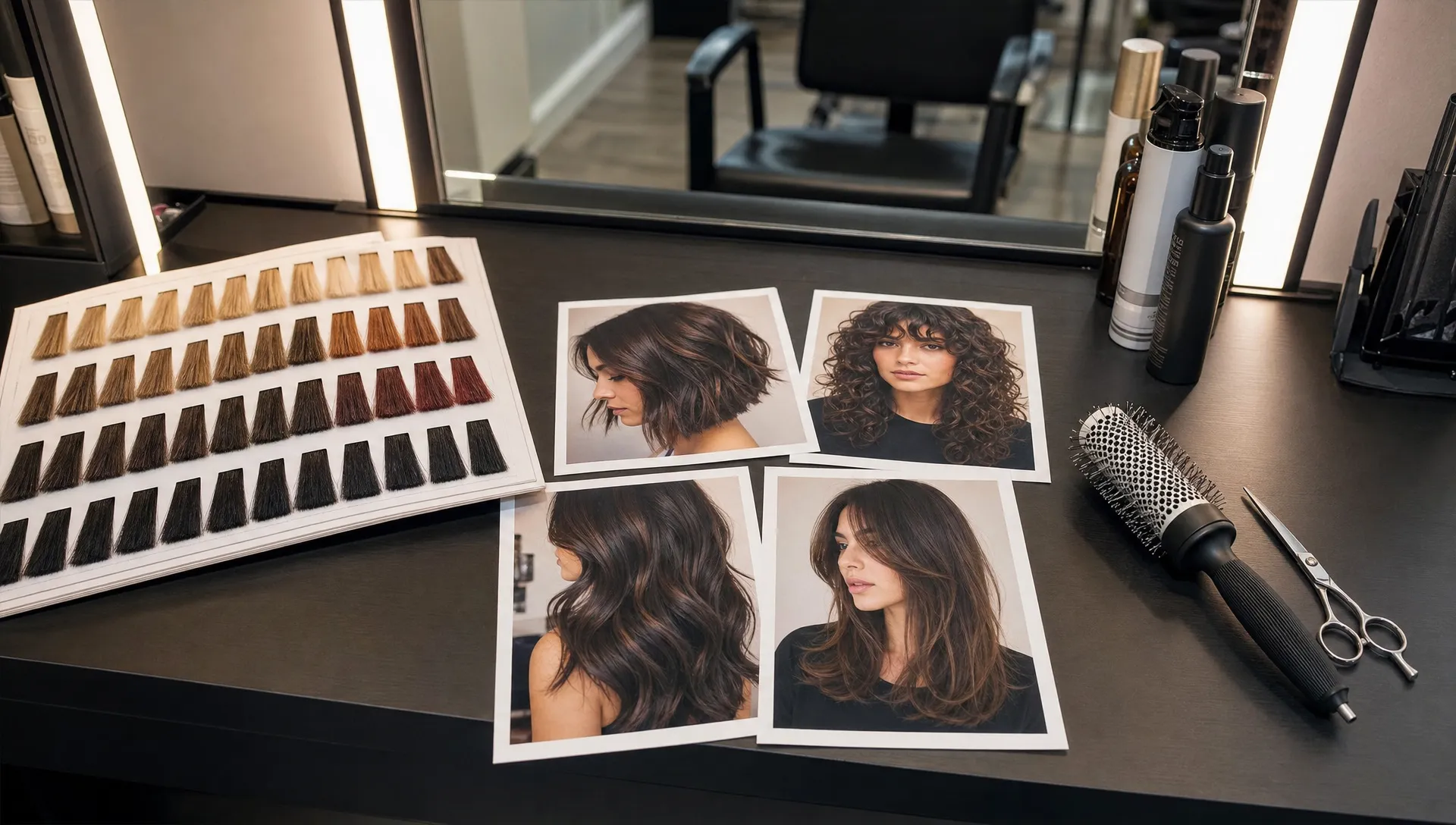
A salon styling station with color swatches, a round brush, shears, and inspiration photos for bobs, curls, glossy brunette color, and soft face-framing layers.

Texture, Protective Styling and Extensions

Your natural texture should guide your style choice, not be treated as a problem to hide. Straight, wavy, curly and coily textures each need different cutting techniques, product choices and finishing methods to look their best.

For curls and coils, shape is everything. A rounded curly cut can create balance, while tapered sides can make volume feel sculpted instead of overwhelming. If you like wearing wash-and-go styles, ask for a cut that looks good in its natural state, not only when stretched or heat-styled.

Protective styles and extensions can also deliver a fresh look when installed and maintained properly. Sew-ins, tape-ins, microlinks, braids and other protective options should be selected based on your hair health, lifestyle and desired finish. A consultation helps determine whether your scalp and strands are ready, especially if you have breakage, shedding or sensitivity.

Silk press and relaxer services can create a smooth, polished result, but they should be paired with conditioning care and realistic maintenance. The prettiest hair cute transformation is one that respects the health of your hair, because shine, movement and longevity all depend on strong strands.

Event, Bridal and Everyday Style Ideas

A fresh style should match where you are going. Your everyday haircut might need to survive workouts and school drop-off, while your event style may need to hold through photos, dancing and weather.

For work or daily wear, consider soft bends, a sleek bob, a half-up style, defined curls or a smooth blowout with face-framing volume. These looks feel polished without being too formal. For nights out, add more lift at the roots, a deeper side part, glossy waves or a pinned detail that shows off earrings and neckline.

Bridal and engagement styling needs a little more planning. Your hairstyle should work with your dress, veil, makeup, jewelry and photo setting. For engagement photos or wedding events, couples often coordinate the hairstyle with meaningful jewelry details, from heirloom pieces to diamond engagement rings and wedding bands, so the full look feels cohesive in close-up portraits.

For formal occasions, hair cute does not have to mean overly sweet or childish. It can mean soft, romantic, elegant or modern, depending on your personal style. A low chignon with face-framing tendrils, a sculpted ponytail, Hollywood waves or a textured updo can all feel fresh when balanced with the right makeup and accessories.

What to Ask Your Stylist Before You Commit

A beautiful style is a collaboration. Your stylist brings technical expertise, but you bring the daily reality of your hair. The more specific you are, the easier it is to create a result you will love after you leave the salon.

Ask questions that reveal maintenance, styling time and long-term impact. This is especially useful for color corrections, big chops, extensions, bangs and smoothing services.

  • How often will I need trims or color touch-ups for this look?
  • Will this style work when I air-dry my hair?
  • What products or tools will I need at home?
  • Can we adjust the inspiration photo to suit my face shape and texture?
  • Is my hair healthy enough for this color, extension or chemical service right now?

If you are torn between several hair cute ideas, ask your stylist to explain the tradeoffs. A blunt bob may look sleek but need more heat styling. Long layers may feel easy but require healthy ends. Curtain bangs may be flattering but need daily shaping for some textures.

How to Keep Your Fresh Style Looking Salon Finished

The salon result is only the beginning. What you do at home affects shine, shape and longevity, especially if you color your hair or use heat tools often.

Start with the basics: use the products your stylist recommends for your hair type, protect your hair before heat styling and sleep in a way that reduces friction. Satin pillowcases, loose nighttime styling and gentle detangling can make a visible difference over time.

Conditioning treatments can also help maintain softness and elasticity between appointments. If your hair feels dry, dull or brittle, do not keep adding heat to force it into shape. Book a treatment or trim before damage travels farther up the strand. For more everyday care advice, Kingdom Cute shares practical healthy hair habits your stylist wishes you knew.

The most reliable hair cute result is not just the style you choose, it is the care plan that supports it. When your cut, color and home routine work together, your hair keeps its shape longer and feels easier to manage.

Frequently Asked Questions

What are the easiest cute hair ideas for a low-maintenance routine? Collarbone cuts, soft long layers, rounded bobs and blended face-framing pieces are often easier to maintain than high-contrast color, micro bangs or heavily structured cuts. The best choice depends on your texture and how often you style your hair.

How do I know if a cute hairstyle will flatter my face shape? Look at where the style creates width, length and volume. Face-framing layers can soften strong angles, bangs can balance a longer forehead and volume at the crown can elongate rounder face shapes. A stylist can adjust the inspiration photo to fit your features.

Can I get a fresh look without cutting much length? Yes. Gloss, dimensional color, curtain bangs, face-framing layers, conditioning treatments and a polished blowout can make your hair feel new without a major cut.

How often should I refresh my style at the salon? Many cuts benefit from maintenance every 6 to 10 weeks, while color timing depends on the service. Glosses, root touch-ups, highlights and vivid tones all have different upkeep schedules, so ask your stylist for a plan during your consultation.

What should I bring to a hair cute consultation? Bring inspiration photos, photos of styles you dislike and a clear idea of your routine. Tell your stylist about heat use, previous color, chemical services, extensions, scalp concerns and how often you want to return for upkeep.

Ready for Your Next Fresh Style?

If you are ready to try a cut, color, style, extension service or bridal look that feels polished and personal, start with a professional consultation. Kingdom Cute Hair Salon in Warner Robins, GA offers personalized hair and beauty services designed to help you feel confident in your next look.

Book your visit with Kingdom Cute and bring your favorite inspiration. Your next fresh style should not just look good on appointment day, it should feel like it belongs to you.

Thursday, September 17, 2026

Layered Hairstyles for Women That Air-Dry Beautifully

Layered Hairstyles for Women That Air-Dry Beautifully

Layered hairstyles for women can make air-drying feel intentional instead of unfinished. The right layers help hair fall into shape with less heat, less brushing and less morning negotiation in the mirror. The wrong layers, though, can leave ends stringy, curls uneven or the crown puffy while the bottom sits flat.

A beautiful air-dry result starts before the wash day routine. It starts with a cut designed around your natural texture, density, growth patterns and lifestyle. At Kingdom Cute Hair Salon in Warner Robins, that kind of result comes from a consultation first, then a haircut that supports how your hair actually behaves when no blow-dryer is involved.

Why layered hairstyles for women air-dry better when the cut is customized

Air-dried hair shows the truth of a haircut. Heat styling can smooth awkward sections, redirect cowlicks and force volume where the cut did not create it. Without heat, the shape has to work on its own.

That is why customized layering matters. A stylist may leave more weight near the perimeter for fine hair, remove bulk from the interior for thick hair or carve softer movement around the face for waves. These small decisions determine whether your hair settles softly or expands in places you never wanted volume.

Good air-dry layers also respect shrinkage. Curly and coily hair can look much shorter once dry, so layers that look balanced wet may stack too high after drying. Straight hair has the opposite challenge: layers need enough movement to avoid looking heavy, but not so much that the ends appear thin.

What makes a layer air-dry friendly?

The goal with layered hairstyles for women that air-dry well is controlled movement, not random texture. Air-dry friendly layers usually have a few things in common: a strong enough outline, soft transitions between lengths and weight removal placed where the hair naturally gets heavy.

A haircut may look great after a salon blowout, then feel difficult at home because the layers were designed for round-brush tension. If you rarely heat style, tell your stylist. A low-heat or no-heat routine changes the cutting plan.

Signs your layers may not be air-dry friendly include:

  • Ends that look see-through even when freshly trimmed
  • A bulky triangle shape around the bottom
  • Short pieces that stick out instead of blending
  • Waves or curls that collapse in one area and puff in another
  • A cut that only looks good after extensive heat styling

If you want movement with minimal daily effort, it may help to compare your goals with broader options for layered haircuts that add movement without fuss, then bring your favorite direction to your consultation.

Best air-dry layered ideas by texture

The most flattering layered hairstyles for women are not chosen from a photo alone. They are matched to texture, density, face shape and the amount of styling you are realistically willing to do. A style that air-dries beautifully on thick waves may behave completely differently on fine straight hair.

Hair type Air-dry layer direction What to avoid
Fine straight hair Long, subtle layers with a fuller perimeter Too many short layers that thin the ends
Medium straight hair Soft face-framing and light internal movement Heavy one-length shapes with no movement
Wavy hair Blended layers that release the wave pattern Blunt bulk at the bottom
Curly hair Rounded layers shaped around curl spring Wet cutting without considering shrinkage
Coily hair Strategic shape-building layers with weight balance Over-layering that disrupts density
Thick hair Internal weight removal and longer surface layers Choppy top layers that create puffiness

Straight or slightly wavy hair

Straight hair often needs subtle layering, not dramatic chopping. Long face-framing pieces can open the face and keep the overall shape soft, while barely there layers through the back prevent the style from looking stiff.

For slightly wavy hair, layers should encourage bend without creating frizz. A shoulder-length cut with soft internal movement can air-dry into a relaxed, polished shape, especially when paired with a light leave-in product.

Wavy hair

Wavy hair usually air-dries best when the cut removes heaviness from the right places. If the bottom is too dense, waves can stretch out near the roots and bunch near the ends. Balanced layers help the pattern show from top to bottom.

A modern shag, long layered lob or soft butterfly-inspired shape can work well, depending on density. The key is blending. Choppy layers may look edgy when styled, but they can create uneven expansion when left to dry naturally.

Curly and coily hair

Curls need layers that support shape without stealing definition. The cut should consider curl pattern, spring factor and where volume feels most flattering. For some clients, that means rounded layers. For others, it means keeping more length around the bottom while lifting the crown gently.

Coily hair can also benefit from thoughtful layering, especially when the goal is a balanced silhouette. If you are deciding how much shape to add, this guide on how layers bring shape to curly hair without losing definition offers helpful context before your salon visit.

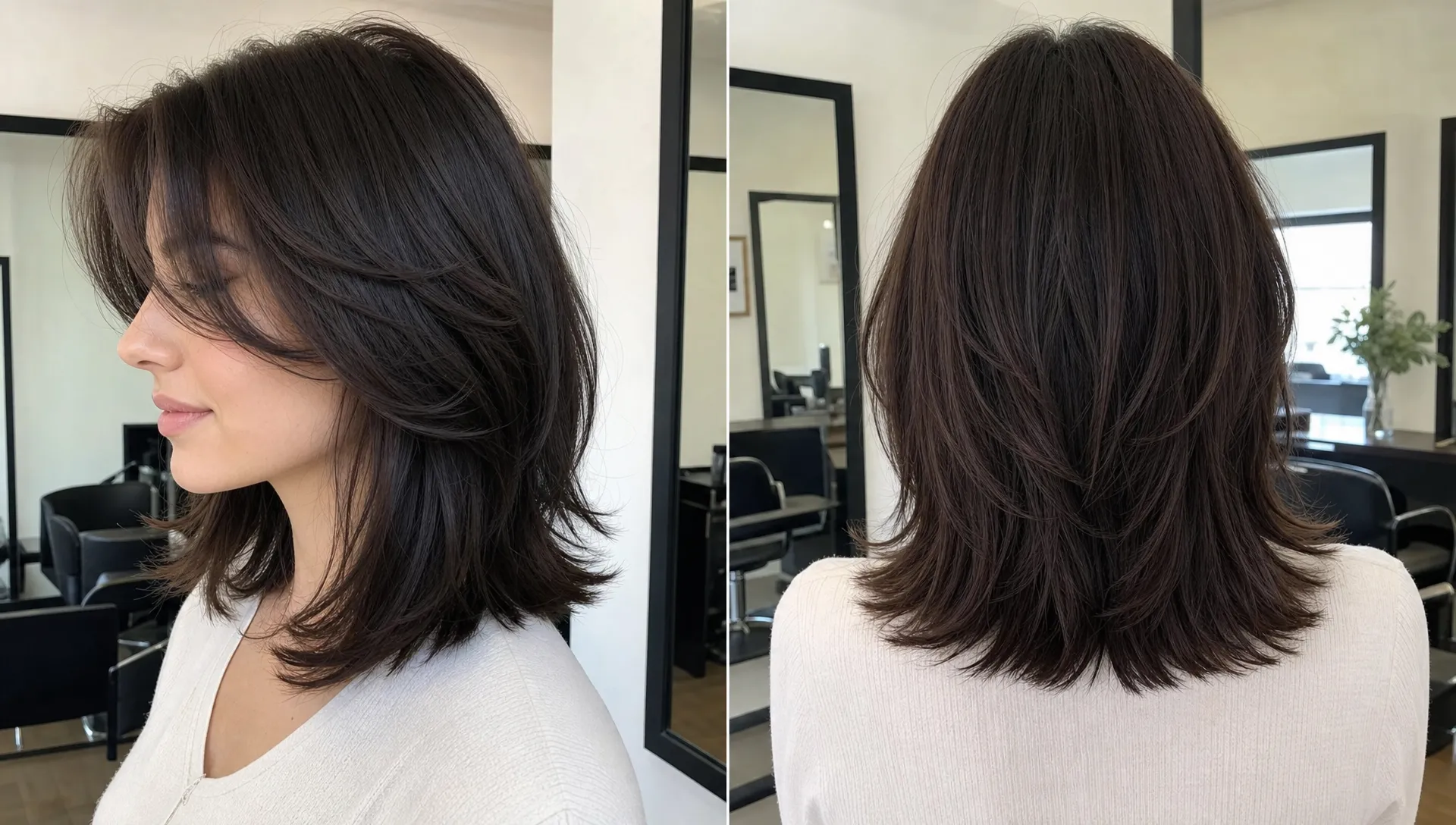
Layered shoulder-length hair dries naturally in a salon, with soft face-framing pieces and a healthy perimeter shape.

The best lengths for air-dried layers

Length plays a major role in how easily layers air-dry. Longer hair has weight, which can help control frizz and stretch curls or waves. Shorter hair has lift, but it may need more precise shaping around the crown, neckline and face.

Long layers

Long layers are ideal if you want movement but do not want to lose length. They work especially well for medium to thick hair, loose waves and anyone who likes ponytails or soft updos. The perimeter should stay healthy so the style does not look thin at the bottom.

If your main concern is keeping length fresh, you may also like these long haircuts for women that keep length looking healthy.

Medium-length layers

Medium-length cuts are often the easiest to air-dry because they have enough length to settle, but not so much weight that the roots go flat. A collarbone cut, lob or soft shoulder-length shape can work for straight, wavy and curly textures.

This length also gives your stylist room to customize face-framing pieces. Shorter pieces near the cheekbones can add movement, while longer front layers can feel softer and more versatile.

Short layered shapes

Short layered hair can air-dry beautifully when the cut is very intentional. A layered bob, bixie or cropped curl shape can reduce styling time, but the neckline and crown need careful attention. If you want a shorter option for a busy routine, start with practical inspiration from short layered hairstyles that work for busy mornings.

Products that help layers air-dry beautifully

Even the best layered hairstyles for women need the right product balance. Air-drying does not mean doing nothing. It means using lightweight support so your haircut can settle into its shape without frizz taking over.

For fine hair, a light leave-in spray or volumizing mousse can help without flattening the cut. For wavy hair, a curl cream or foam may define bends while keeping movement soft. For curls and coils, leave-in conditioner, curl cream or gel can help preserve definition as the hair dries.

Application matters as much as the product. Many textures respond better when product is applied to damp or wet hair, then gently squeezed in with the hands. Rubbing with a towel can rough up the cuticle and disturb the pattern, so blotting is usually a better choice.

At Kingdom Cute, your stylist can recommend product direction based on your hair's porosity, density and finish goals. That guidance matters because too much product can make layers collapse, while too little can leave them undefined.

Wash-day habits that make air-drying easier

Air-dry success is built into the whole routine. Start with a cleanse and conditioning approach that fits your hair type. Hair that is overloaded with heavy product may dry limp, while hair that lacks moisture may dry frizzy or rough.

After washing, detangle gently and part your hair where you want it to dry. This is especially helpful for face-framing layers because they tend to set in the direction they dry. If you want lift at the root, try clipping the top section loosely while the hair dries.

Do not touch your hair constantly as it dries. Touching can break up waves and curls before they set, which often creates frizz. Once dry, you can shake out the roots or soften the ends with a small amount of finishing product.

When hair health affects the air-dry result

Layered haircuts work best on hair that has enough strength and moisture to hold shape. If the ends are damaged from heat, lightening or chemical stress, even a good cut may dry rough until the most fragile pieces are trimmed or treated.

Scalp and overall health can also affect how hair looks and behaves. Sudden shedding, a major texture change or persistent brittleness can be linked to stress, nutrition, hormones or medical factors. For readers comparing preventive wellness tools, CELTO's preventive health check recommendations show one way blood-test guidance and doctor-reviewed results can be used to track health insights over time. For personal medical concerns, your own licensed clinician is the right place to start.

In the salon, conditioning treatments can help improve softness and manageability, but they cannot replace a haircut when the ends are split. The best plan may include both: a shape refresh and a treatment routine that supports healthier air-drying going forward.

What to ask for at your appointment

Bring photos, but also bring honesty about your routine. If you do not own a round brush, say so. If you wash at night and sleep on damp hair, mention it. If you want your hair to look good with five minutes of styling, that should guide the cut.

Helpful consultation details include your natural texture, how often you wash, whether you color or chemically treat your hair, how much volume you like and what problems you want to avoid. A stylist can then adjust the layering pattern, face frame and finish to fit your real life.

At Kingdom Cute Hair Salon, services such as precision haircuts, styling, coloring, silk press treatments, relaxers, extensions, protective styles and conditioning treatments can all be discussed through the lens of your lifestyle. The goal is not just a beautiful salon result. It is hair that still feels like you when it dries at home.

Frequently Asked Questions

Are layered hairstyles for women good for air-drying? Yes, when the layers are customized to hair texture, density and natural movement. The best air-dry layers reduce bulk, support shape and keep the ends from looking thin.

What layered haircut is easiest to air-dry? A soft long-layered cut, collarbone lob or blended shoulder-length shape is often easiest because it has enough weight to settle naturally while still offering movement.

Do layers make frizz better or worse? Layers can help frizz when they remove heaviness and encourage natural pattern, but poorly placed layers can create puffiness. Product choice and drying habits also affect the result.

Should curly hair be layered for air-drying? Curly hair often benefits from layers because they create shape and reduce bottom-heavy volume. The cut should account for shrinkage so the final dry shape stays balanced.

How often should air-dry layers be trimmed? Many clients do well with a trim every 8 to 12 weeks, but the right schedule depends on length, color services, heat use and how quickly your ends lose shape.

Ready for layers that look good without a blow-dryer?

If you want hair that air-dries with shape, softness and confidence, start with a cut designed for your real texture. A personalized consultation can help you choose the right layers, the right finish and the right care routine for your day-to-day life.

Book your appointment with Kingdom Cute Hair Salon in Warner Robins, GA, and let your next cut work beautifully beyond the salon chair.

Wednesday, September 16, 2026

Short Layered Bob for Older Ladies With Easy Everyday Volume

Short Layered Bob for Older Ladies With Easy Everyday Volume

Choosing a short layered bob for older ladies is less about simply going shorter and more about creating lift in the right places. A well-shaped bob can open the face, make the crown look fuller and keep your daily routine realistic. It should move when you move, skim the jaw or neckline beautifully and still feel polished after a quick blow dry or air-dry refresh.

For many mature clients, the goal is not a dramatic makeover. It is a cut that respects changing texture, works with gray or colored hair and looks intentional without needing a salon-level styling session every morning. That is where soft layers, a clean perimeter and the right consultation make all the difference.

Why a short layered bob for older ladies creates easy volume

Volume comes from structure. When the hair is cut into one heavy block, it can collapse at the roots, especially if the strands are fine, straight or softened by age-related texture changes. Layers remove just enough weight to let the crown lift while keeping the ends looking healthy.

The best short layered bob for older ladies keeps a strong outline around the bottom, then adds controlled movement through the sides, crown and face frame. That balance matters. Too many layers can make the ends look thin. Too few layers can make the shape feel flat or boxy.

A bob also has a practical advantage: the shorter length reduces the weight pulling hair downward. Even a small change, such as raising the length from shoulder level to the jaw or upper neck, can make the hair appear fuller. Add a few well-placed layers and the style starts doing some of the lifting for you.

The most flattering layered bob shapes to consider

There is not one single bob that works for every face, texture or lifestyle. A personalized cut should account for your neckline, hair density, natural wave pattern, glasses, color placement and how much styling you want to do.

A short layered bob for older ladies can look soft and classic, modern and textured or sleek and sculpted. The key is choosing the variation that supports your natural hair instead of fighting it.

Bob variation Best for How it adds volume
Soft stacked bob Fine to medium hair that needs crown lift Builds gentle fullness at the back without looking bulky
Chin-length layered bob Oval, heart and longer face shapes Keeps width near the cheekbones and jawline
Tapered nape bob Thick hair or dense gray hair Removes weight at the neckline so the shape sits cleaner
Textured bob with side part Straight or slightly wavy hair Creates movement and lift through an off-center shape
Layered bob with curtain fringe Foreheads that need softness or balance Frames the face while adding lightness around the front

If your hair is thinning or naturally fine, the outline of the cut becomes especially important. Kingdom Cute has a deeper guide to layered haircuts for thin hair that make strands look fuller if fullness is your main styling concern.

How layers add lift without making hair look choppy

A mature layered bob should rarely rely on harsh, disconnected layers. Instead, the cut usually works best when the layers are blended softly into the overall shape. This keeps the bob elegant while still allowing movement.

For fine hair, a short layered bob for older ladies should preserve density at the ends. That often means using lighter layers near the crown and face rather than cutting deep layers through the bottom. A fuller perimeter creates the appearance of thicker hair, even when the interior has enough movement to avoid falling flat.

For thick hair, the goal is different. The stylist may need to remove internal bulk so the bob does not widen too much at the sides. This can be done without creating wispy ends. Strategic texturizing, a slightly tapered nape and controlled layering can help the shape curve inward instead of puffing outward.

For wavy or curly hair, the layers need to match the curl pattern. Cutting too much from the wrong area can cause uneven volume. The most flattering result usually comes from shaping the bob so natural bend supports the silhouette.

Everyday styling for volume that lasts

A short layered bob for older ladies usually looks easiest when the styling routine is simple enough to repeat. You do not need a complicated tool lineup. You need a good cut, the right product amount and a few styling habits that encourage lift at the roots.

Start with towel-blotted hair, not soaking wet hair. Apply a light volumizing product at the roots, then use a blow dryer to lift the crown away from the scalp. A medium round brush can help shape the ends, but you can also use your fingers for a softer finish. Directing the front pieces away from the face often creates a more open, lifted effect.

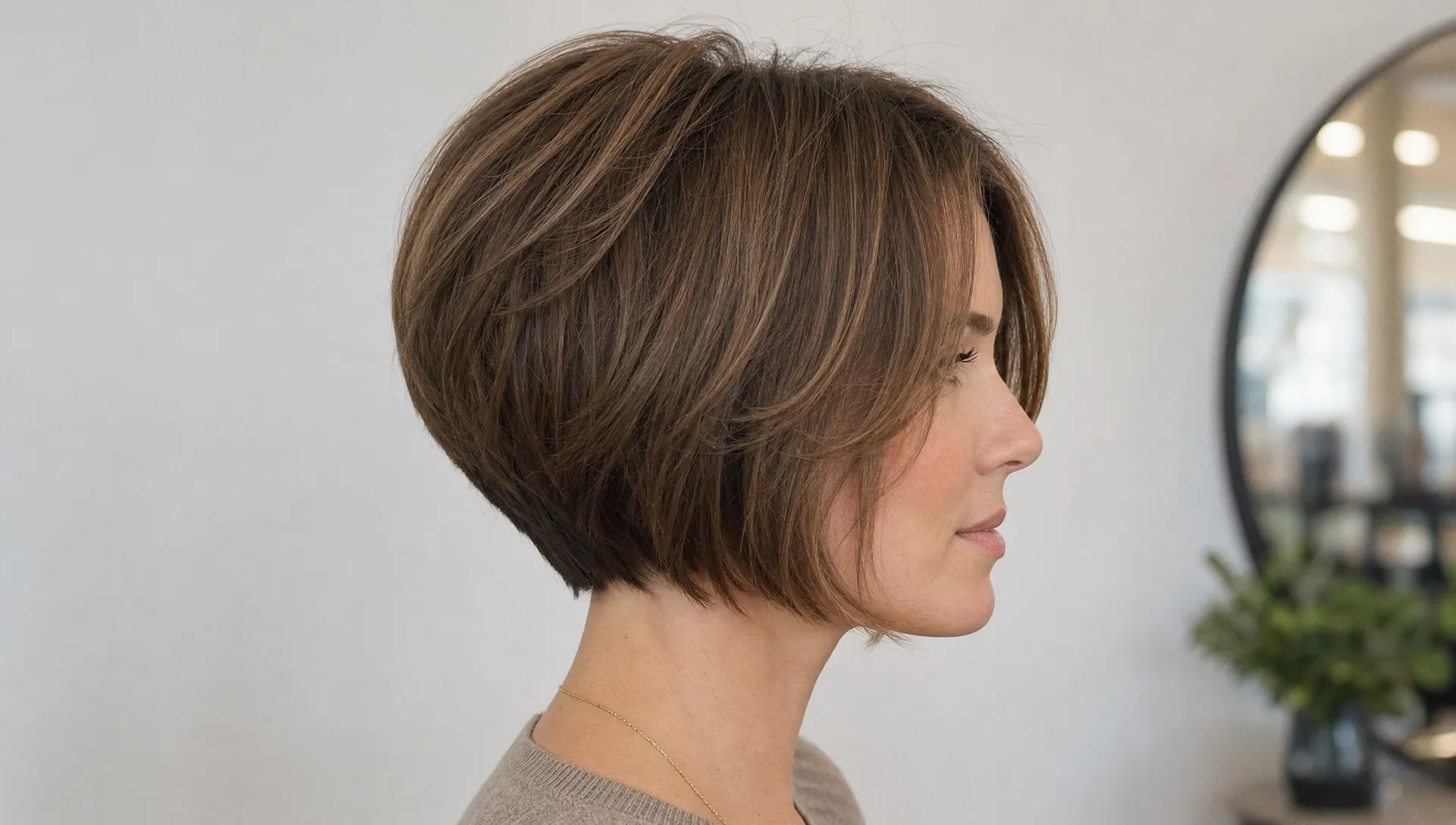
A short layered bob shown from the side with soft crown volume, face-framing layers, and a neat tapered neckline.

For a quick everyday routine, focus on these essentials:

  • Lift the roots at the crown while drying.
  • Smooth the ends just enough to define the bob shape.
  • Use lightweight products so the hair does not collapse by midday.
  • Refresh second-day volume with a small amount of dry shampoo or texture spray.
  • Avoid heavy oils near the scalp if your hair is fine.

If your mornings are busy, the cut should do most of the work before you reach for a styling tool. For more low-effort inspiration, Kingdom Cute’s guide to short layered hairstyles that work for busy mornings shares more practical shapes that stay manageable.

Matching the bob to your face shape, glasses and color

A beautiful bob should frame your features, not hide them. Around the face, layers can soften cheekbones, lift the eye area and balance the jawline. A side part can create diagonal movement, while a center part with curtain fringe can make the style feel more current.

A short layered bob for older ladies can also be tailored around glasses. If your frames are bold, your stylist may keep the sides cleaner so the haircut and eyewear do not compete. If your frames are delicate, soft face-framing pieces can add warmth and movement. Women who wear glasses may also enjoy these ideas for short hairstyles for women over 60 with glasses.

Color matters too. Dimensional color can make layers look more visible, especially when subtle highlights or lowlights are placed around the crown and face. On gray or silver hair, shine is everything. A gloss, conditioning treatment or tone-refining service can make a layered bob look expensive rather than dry.

The right finish depends on your personal style. Some clients want a smooth, refined bob. Others prefer a softer piecey look. Both can be flattering when the cut is designed around the way your hair naturally behaves.

What to ask for during your salon consultation

Bring a few photos, but do not expect your stylist to copy them exactly. A photo is a starting point. Your hair density, growth patterns, neckline and styling habits determine what will actually work on you.

When asking for a short layered bob for older ladies, be clear about your daily routine. Tell your stylist if you air dry, use a round brush, avoid hot tools or need the cut to last between appointments. Mention any concerns about thinning areas, cowlicks, frizz, scalp sensitivity or color maintenance.

It also helps to describe what you do not want. If you dislike stacked backs, heavy bangs, flipped ends or too much texture, say so early. A strong consultation gives your stylist room to create volume without pushing you into a shape that does not feel like you.

One small note for salon owners and beauty teams reading this: clients now bring screenshots from Google, Pinterest and AI assistants, not just magazine pages. If your business depends on being accurately represented online, an AI visibility platform can help you understand how search assistants describe your brand before a client ever reaches the chair.

Maintenance tips for keeping the shape fresh

To keep a short layered bob for older ladies looking full, plan regular trims before the shape collapses. Many bob styles look best with maintenance around every 6 to 8 weeks, though your exact timing depends on how fast your hair grows and how precise you like the neckline.

At home, protect the shape by using products that match your texture. Fine hair usually needs lighter sprays, foams or mousses. Thick or coarse hair may need smoothing cream through the ends. Gray hair often benefits from moisture and shine support because wiry texture can make the shape look less polished.

Do not overlook scalp care. A clean, balanced scalp gives the roots a better chance to lift. If your hair feels limp soon after washing, your product may be too heavy or your conditioner may be sitting too close to the roots.

Frequently Asked Questions

Is a short layered bob for older ladies easy to style at home? Yes, it can be very easy when the cut is tailored to your texture and routine. The most manageable versions have soft layers, a strong bottom shape and enough crown movement to create lift with minimal styling.

Will layers make fine hair look thinner? Not when they are placed correctly. Fine hair usually needs subtle layers and a fuller perimeter. Over-layering the ends can make hair look sparse, so the goal is lift without sacrificing density.

What length is best for everyday volume? Jaw-length, chin-length and upper-neck bobs often give the most visible lift because they reduce weight. The right length also depends on your face shape, neckline and whether you prefer a tucked, rounded or textured finish.

Can a layered bob work with gray hair? Absolutely. Gray and silver hair can look beautiful in a layered bob, especially when the cut is polished and the hair has enough moisture and shine. Soft layers can keep gray hair from looking heavy or stiff.

How often should I refresh the cut? Most short bobs benefit from a trim every 6 to 8 weeks. If your bob has a very precise neckline or stacked shape, you may prefer more frequent shaping.

Love your volume again with the right bob

A layered bob should feel easy, flattering and true to your style. At Kingdom Cute in Warner Robins, GA, your appointment starts with a personalized consultation so your cut, color and finish support your real life, not just a photo.

If you are ready for a fresh shape with soft movement and everyday lift, book your appointment with Kingdom Cute and let your next cut tell a story you love wearing.

Tuesday, September 15, 2026

What Makes a Natural Hair Studio Feel Truly Supportive

What Makes a Natural Hair Studio Feel Truly Supportive

A truly supportive natural hair studio does more than style hair well. It creates a place where your texture is understood, your goals are taken seriously and your hair health is protected with the same care as the final look.

For many clients with curls, coils, kinks, relaxed hair, transitioning hair or protective styles, a salon visit can feel personal. You may be bringing years of trial and error, breakage, scalp discomfort, color mistakes or uncertainty about what your hair needs next. Support begins when a stylist recognizes that history without judgment.

A supportive natural hair studio starts with listening

A consultation should never feel rushed or scripted. Before shampooing, cutting or applying product, your stylist should ask about your routine, styling habits, scalp concerns, chemical history, heat use and the look you want to achieve. The best conversations also include what you do not want, because boundaries matter.

In a supportive natural hair studio, the consultation connects your lifestyle with your hair goals. A low-maintenance client, a bride preparing for a wedding, a professional who wears weekly silk presses and someone growing out color damage may all need different plans. The stylist’s role is not to force one standard of beauty, but to shape a service around the person in the chair.

This is also where trust begins. If your stylist explains what is possible in one visit, what needs several appointments and what might compromise your hair, you are being cared for honestly. That kind of guidance is one reason clients often research what a great natural hair salon should offer before booking.

Texture knowledge should protect the health of your hair

Natural hair care requires more than a general beauty license and good styling instincts. Texture, density, strand size, porosity, shrinkage and scalp condition all affect how hair responds to cleansing, conditioning, heat, color, extensions and tension.

A natural hair studio that understands texture will not treat every curl pattern the same. Fine coils may need lighter products and gentle detangling. High-density hair may need section-by-section hydration. Color-treated curls may need bond support and slower lift. A client with an itchy or flaky scalp may need treatment before a long-wear protective style.

Supportive texture care also means respecting versatility. Natural hair clients may wear wash-and-go styles, silk presses, twist outs, sew-ins, wigs, braids, relaxed styles or bridal updos at different points in life. A supportive stylist does not shame those choices. Instead, they help you enjoy variety while lowering the risk of breakage, dryness and scalp stress.

Clear communication makes the salon feel safer

Hair appointments can become stressful when clients do not know what is happening or what it will cost. Supportive salons reduce that anxiety with clear communication before and during the service.

That includes discussing timing, pricing, product choices, heat settings, color expectations, extension maintenance and home care. It also includes explaining why a service may need to be adjusted. For example, if your hair is too fragile for lightening that day, a stylist should explain the reason and offer a healthier path forward.

That is why a natural hair studio should be clear about the difference between a style that looks good for one day and a plan that keeps your hair strong over time. A client should leave with a beautiful result, but also with enough information to maintain it confidently.

The environment should feel calm, clean and professional

Support is not only technical. It is emotional and environmental too. A clean station, organized tools, comfortable seating, respectful conversation and a peaceful pace can change the entire salon experience.

Professionalism also includes how a salon manages appointments, client notes and booking details. Clients share personal information when scheduling services, discussing hair history or preparing for bridal and event styling. Any modern service business should take privacy and secure systems seriously, just as companies in other industries rely on managed IT and cybersecurity support to protect operations and client data.

The most supportive natural hair studio experiences feel intentional from check-in to checkout. You should not feel ignored, confused or rushed through a service that affects your confidence. Even when the salon is busy, communication and care should remain consistent.

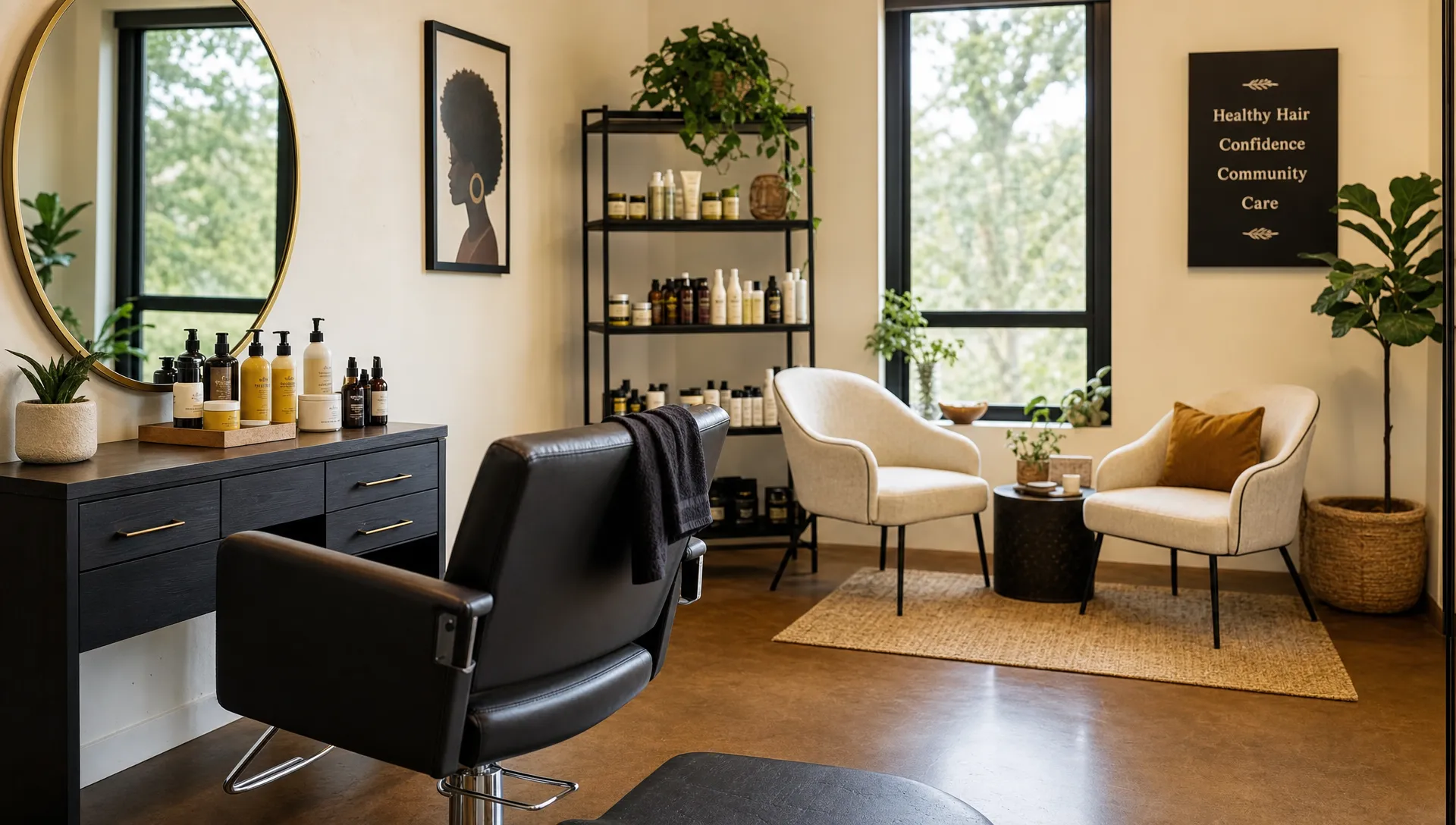
A welcoming natural hair studio with a clean styling chair, textured hair products on a station, and a calm space for supportive consultations.

Healthy styling should never feel like pressure

A salon should guide you, not pressure you. If a stylist recommends a trim, treatment, color correction or protective style, the recommendation should be tied to your hair’s condition and your stated goals. You deserve to understand the purpose of each service before agreeing to it.

When a natural hair studio talks about healthy styling, the conversation should include both benefits and maintenance. A silk press can be beautiful, but heat frequency matters. Extensions can offer fullness and flexibility, but installation tension matters. Protective styles can reduce daily manipulation, but they still require scalp care and proper removal.

This is especially important when the hair or scalp is already stressed. Conditioning treatments, clarifying services, hydration support and scalp-focused care may be part of the plan before a major style change. If you want to understand how these services fit together, Kingdom Cute’s guide to hair treatment services that support scalp and strands explains the connection between a healthy foundation and better styling results.

Aftercare shows whether the support is real

A supportive appointment does not end when the cape comes off. Aftercare is where many clients either succeed at home or feel lost. Your stylist should explain how to preserve the style, when to cleanse, which products to use sparingly and when to return for maintenance.

A natural hair studio becomes truly valuable when it helps you build a routine you can actually follow. That might mean showing you how to wrap a silk press at night, how to moisturize protective styles without buildup or how often to deep condition color-treated curls.

Good aftercare is practical, not overwhelming. A long product list is not always better. Many clients need a simple plan with the right cleanser, conditioner, leave-in, oil or heat protectant based on their texture and service. The goal is for you to leave the salon feeling capable, not dependent or confused.

What supportive care looks like in practice

Support can be hard to define until you know what to notice. Use the table below as a simple way to evaluate the feeling and quality of a salon visit.

Supportive sign What it looks like Why it matters
Real consultation The stylist asks about goals, history and lifestyle Your service fits your actual hair needs
Texture awareness Products and techniques change based on density, porosity and curl pattern Your hair is treated as individual, not generic
Honest recommendations The stylist explains risks, timing and alternatives You can make informed choices
Gentle handling Detangling, heat use and tension are controlled Breakage and scalp stress are reduced
Clear aftercare You receive simple maintenance steps Results last longer between visits
Respectful atmosphere The space feels clean, calm and welcoming You can relax and communicate openly

If you are comparing options, a natural hair studio should check more than one box. A beautiful photo gallery matters, but the way clients describe communication, comfort and long-term hair health often tells you more about the real experience.

How Kingdom Cute brings support into the salon experience

Kingdom Cute Hair Salon in Warner Robins, GA, is built around personalized beauty care in an upscale setting. Services include precision haircuts, luxury color, styling, extensions, protective styles, silk press and relaxer treatments, bridal and event styling, scalp care and conditioning treatments.

What ties those services together is the consultation. The goal is to understand your hair, your routine and the occasion or season you are preparing for, then recommend a path that supports both confidence and hair health. If you are new to the salon experience or want to feel more prepared before booking, this guide on what to expect from a natural beauty salon visit can help you walk in with clearer expectations.

A truly supportive natural hair studio should make you feel seen from the first conversation. Whether you want a fresh cut, a healthy silk press, color that feels elevated or styling for a major event, the right salon experience should leave you looking polished and feeling respected.

Frequently Asked Questions

What makes a natural hair studio different from a traditional salon? A natural hair studio typically places more focus on textured hair, curl patterns, scalp care, protective styling, hydration and the unique needs of natural, transitioning or chemically treated hair.

How do I know if a stylist understands my texture? Look for a detailed consultation, gentle detangling, realistic advice, product knowledge and explanations that match your density, porosity, curl pattern and hair history.

Should a supportive salon tell me no to a service? Yes, when needed. If a service could damage your hair or scalp, an honest stylist should explain the concern and suggest a healthier alternative or phased plan.

Is aftercare really part of a good salon visit? Yes. Aftercare helps you preserve your style, protect your scalp and maintain healthier strands between appointments. It is one of the clearest signs of client-centered service.

Can a natural hair studio help with event or bridal styling? Yes, many natural hair-focused salons offer bridal and event styling. The best approach includes planning ahead so the style suits your hair, schedule, outfit and comfort level.

If you want a salon experience that feels personal, polished and supportive, book your appointment with Kingdom Cute and start with a consultation designed around your hair goals.

Monday, September 14, 2026

How The Blowout Bar Experience Differs From a Full Salon Visit

How The Blowout Bar Experience Differs From a Full Salon Visit

If you have ever wondered whether to book the blowout bar or reserve time for a full salon visit, the difference comes down to scope. A blowout appointment is built for a polished, camera-ready finish without a major change to your cut, color or hair structure. A full salon visit, on the other hand, is where you plan bigger transformations, maintenance services and deeper hair care.

Both experiences can feel luxurious when they are done well. The better choice depends on what your hair needs that day, how much time you have and whether you want styling only or a more complete service. At a luxury salon like Kingdom Cute in Warner Robins, GA, that distinction matters because the right booking helps your stylist prepare, keeps your appointment smooth and gives you a result that fits your schedule.

What the blowout bar is designed to do

A blowout appointment focuses on washing, drying and styling the hair into a finished look. It is not usually meant to include a haircut, color correction, extensions, relaxer service or major treatment plan unless those services are booked separately.

The value is in the finish. Your stylist works with your hair texture, density and preferred look to create volume, smoothness, movement or sleekness using professional products and heat styling tools. If you want to understand the flow of this type of service in more detail, Kingdom Cute has a helpful guide on what to expect from a blowout lounge appointment.

At its best, the blowout bar gives you a refreshed style that feels elevated without requiring the time commitment of a full salon visit. It is popular before photos, date nights, work events, weddings, travel days or any moment when you want your hair to look finished without doing it yourself.

What a full salon visit includes

A full salon visit is broader. It may include a haircut, luxury color, silk press, relaxer treatment, extensions, protective styling, scalp care, conditioning work, bridal styling or a combination of services. Because the appointment can affect the shape, health or chemical state of your hair, it usually requires more consultation and planning.

The stylist may ask about your hair history, past color services, heat habits, scalp concerns, lifestyle and maintenance routine. For color, relaxers and extensions, that conversation is not just polite. It helps protect the integrity of your hair and sets realistic expectations for timing, cost and upkeep.

Compared with the blowout bar, a full salon visit is more likely to involve a long-term beauty goal. You are not only asking for a polished finish that lasts a few days. You may be shaping how your hair behaves for weeks or months.

Time, consultation and service depth: the biggest practical differences

Time commitment

A blowout is typically easier to fit into a busy day because the service is focused. The exact timing depends on hair length, texture, density and the final style, but it is usually a shorter visit than a technical color service, extensions appointment or haircut with treatment.

That predictability matters for clients who plan around work, errands, school pickup or childcare. Family routines, including programs like Aubrey Early Learning Centre, show why reliable scheduling is valuable when your day has fixed drop-off times, pickup times and limited personal windows.

Consultation style

A blowout consultation is usually about the finish. Your stylist may ask whether you want bounce, body, smoothness, curls, soft waves or a sleek look. They may also ask how long you want the style to last, whether your hair holds curl well and if humidity tends to affect your finish.

The stylist at the blowout bar still needs to know key details, especially if your hair is fragile, color-treated, chemically relaxed or prone to dryness. A full salon consultation usually goes deeper because the stylist may be changing the cut, color, texture or overall health plan.

Product and technique choices

In a blowout appointment, products are selected to support styling. That may mean smoothing cream, heat protectant, volumizing spray, lightweight oil or a humidity-resistant finishing product.

In a full salon visit, products and techniques may support a larger goal. Your stylist might choose bond-supporting care for color-treated hair, conditioning treatments for dryness, scalp-focused care or styling products that support the final look after a haircut or silk press.

Service menu: polished finish versus transformation

The easiest way to separate the two experiences is to ask whether you want a style refresh or a service that changes your hair. The blowout bar works beautifully when your cut and color are already where you want them and you simply need a professional finish.

A full salon visit is the better match when your hair needs shaping, color work, strengthening, smoothing, extensions or a more customized plan. The table below shows the difference in practical terms.

Appointment type Best for Usually includes Better to avoid if
Blowout appointment A polished style for an event, workday or confidence boost Shampoo, conditioning, blow-dry and styling finish You need a haircut, major color change or technical service
Full salon visit Hair transformation, maintenance or deeper care Consultation, technical service, treatment, cut or styling You only need a quick finished look
Combined appointment Clients who want care and styling in one visit A booked package or multiple services planned together You are short on time or unsure which services you need

For many clients, the blowout bar is a smart middle ground between at-home styling and a longer salon appointment. It gives you the benefit of professional technique without committing to a major service that your hair may not need that day.

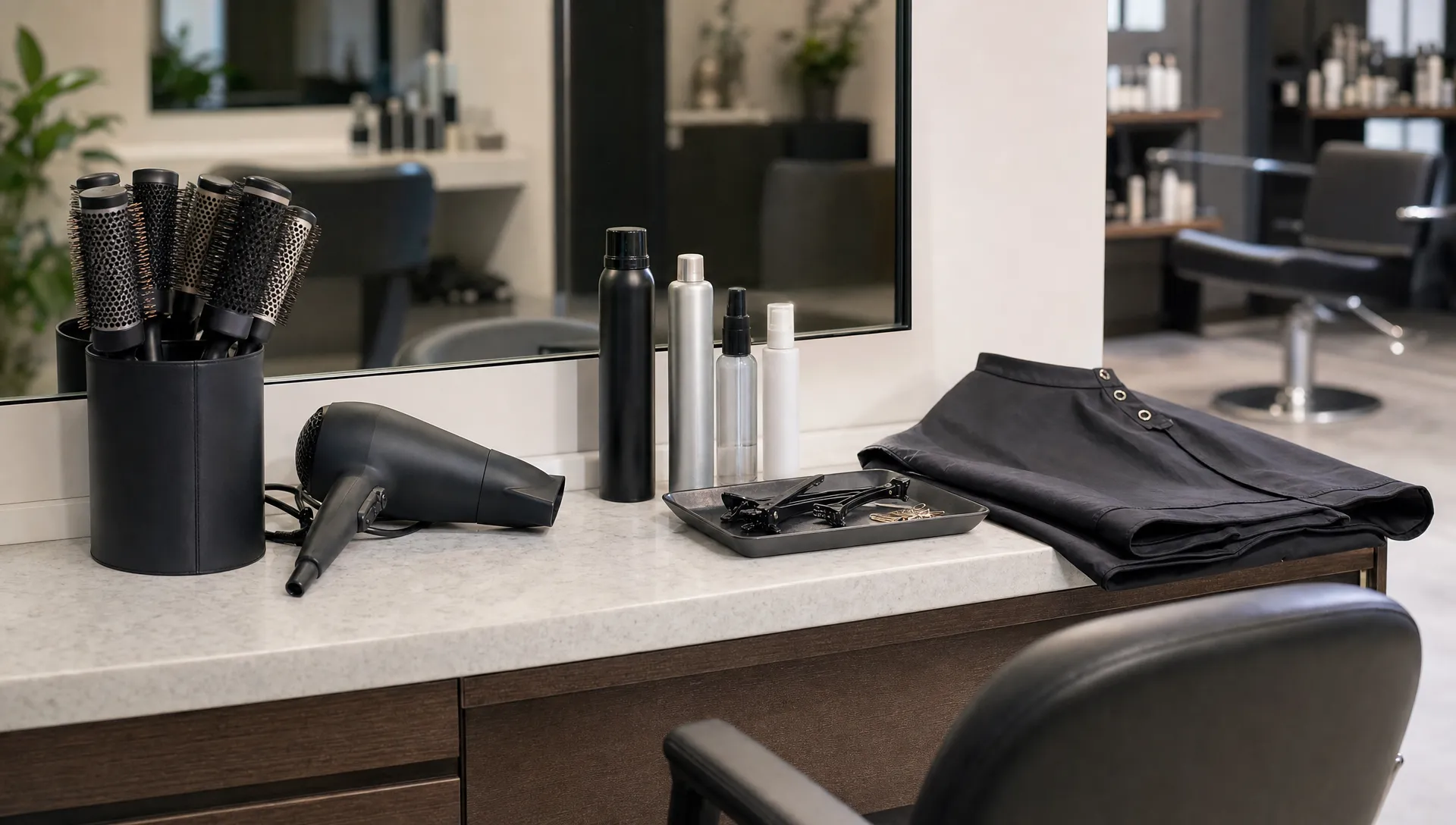
A blowout styling station holds round brushes, a blow dryer, smoothing products, clips, and a cape on a clean salon counter.

The atmosphere feels different too

A blowout appointment often feels light, social and convenient. You arrive with a clear goal, settle in for shampoo and styling, then leave with hair that feels ready for whatever is next. The pace can feel more direct because the appointment is centered on the final look.

A full salon visit can feel more immersive. You may spend more time discussing goals, processing color, receiving a treatment or working through multiple steps. It can be relaxing, but it requires more patience because technical services should not be rushed.

Because the blowout bar is more focused, it can be ideal when you want the luxury of being cared for without spending half your day in the chair. A full salon visit is worth the extra time when your hair needs precision, correction or a service that affects long-term manageability.

Which appointment is better for hair health?

Neither option is automatically healthier. The quality of the service, the stylist’s technique and the condition of your hair matter more than the category of appointment.

A careful blowout can be gentle when your stylist uses appropriate heat protection, proper tension and tools suited to your texture. A rushed or overly hot blowout can be hard on fragile hair, especially if it is repeated often without conditioning support.

A full salon visit can improve hair health when it includes a trim, scalp care or conditioning treatment. It can also stress the hair if chemical services are layered without a realistic plan. That is why consultation is so important before color, relaxers, silk presses, extensions or protective styles.

If you are unsure which blowout finish suits your texture, density or maintenance style, use Kingdom Cute’s guide on choosing the right blowout for your hair type before you book.

How to choose the right appointment before you book

Book the blowout bar when your main goal is a finished style. It is a great choice when your haircut still looks good, your color does not need refreshing and you want your hair styled better than you can usually manage at home.

Book a full salon visit when you want a change or need professional maintenance. If your ends feel thin, your color has grown out, your scalp feels irritated or your style no longer holds its shape, a full appointment gives your stylist time to address the cause instead of only styling over it.

When in doubt, be specific when booking. Share your hair length, texture, current condition and the result you want. If you are planning around an event, mention the time and setting so your stylist can recommend a finish that lasts. Kingdom Cute’s hair salon booking tips can help you choose the right service length and avoid surprises on appointment day.

Common mistakes when comparing the two

One common mistake is assuming a blowout can fix everything. It can make hair look smoother, fuller or more styled for a short time, but it will not remove split ends, correct uneven color or replace a needed treatment.

Another mistake is booking a full salon visit when all you want is a temporary finish. If your hair is already healthy and your shape is working, you may not need a larger appointment. A styling-focused visit may be enough.

Clients also sometimes underestimate texture and density. Two people can book the same service name and need very different timing because one has fine shoulder-length hair and the other has thick, long or coily hair. Clear communication helps your stylist protect your time and your result.

Frequently Asked Questions

Is the blowout bar the same as a regular salon appointment? No. A blowout appointment is focused on washing, drying and styling. A regular full salon appointment may include cutting, coloring, treatments, extensions or chemical services.

Can I get a haircut during a blowout appointment? Usually, a haircut should be booked as a separate service or as part of a full salon visit. If you need a trim, ask before booking so the salon can reserve the right amount of time.

How long does a blowout last? It depends on your hair type, products, weather and lifestyle. Many clients enjoy their blowout for several days when they protect it from moisture, sleep carefully and avoid heavy products.

Should I wash my hair before coming in? For most blowout appointments, the shampoo is part of the service. If you have heavy product buildup, extensions or scalp concerns, mention that when booking.

When should I choose a full salon visit instead? Choose a full salon visit when you need a haircut, color, silk press, relaxer, extensions, scalp treatment or a more complete care plan.

Ready for the right kind of salon visit?

A beautiful result starts with choosing the appointment that matches your goal. If you want a polished style for a special day, a blowout may be perfect. If your hair needs shaping, color, care or a bigger transformation, a full salon visit is the better path.

Kingdom Cute offers luxury haircuts, coloring, styling, extensions, bridal services, scalp care and conditioning treatments in Warner Robins, GA. When you are ready for a look that feels personal and polished, book your appointment with Kingdom Cute and let your next style tell the right story.

Sunday, September 13, 2026

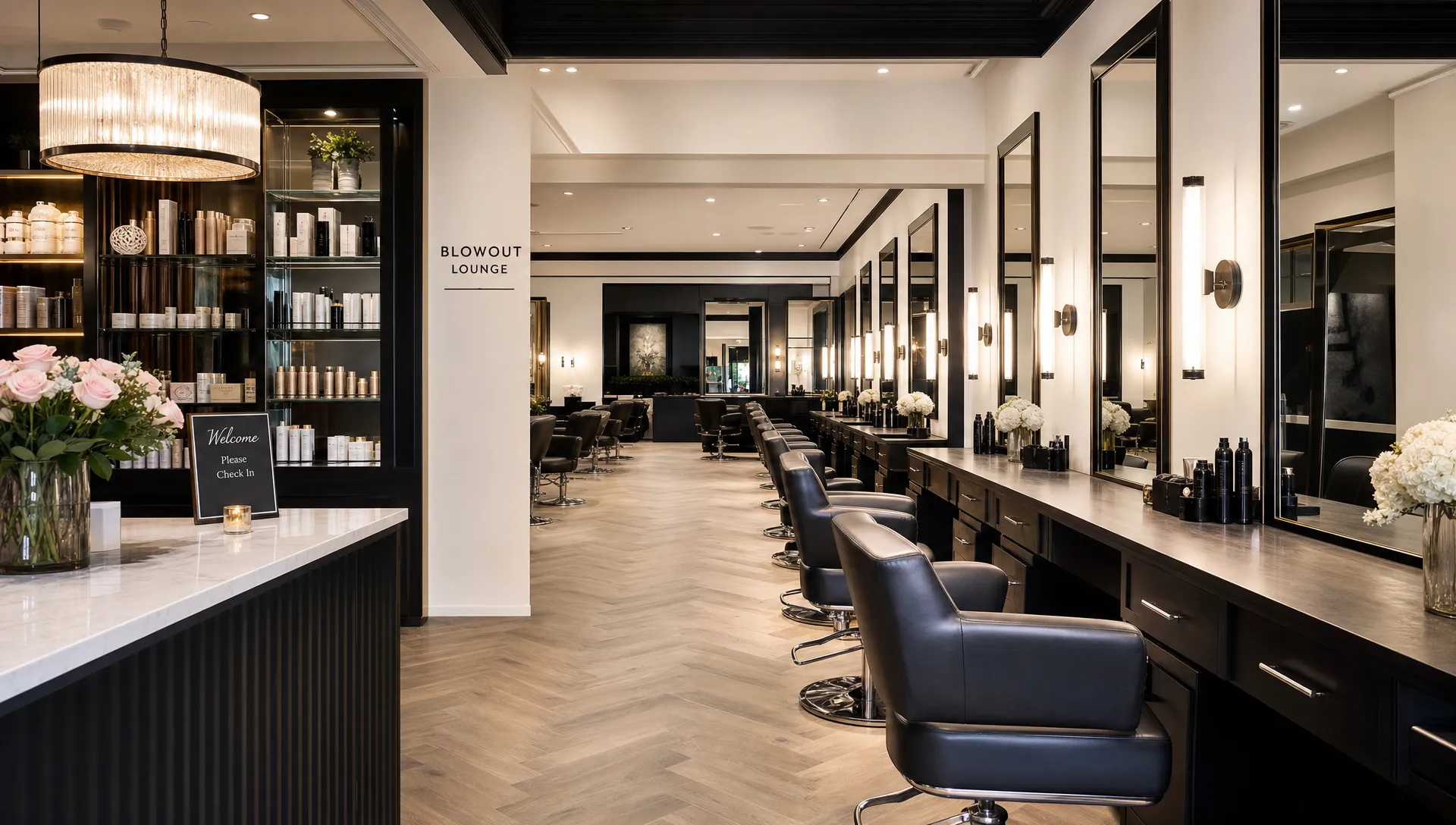
What to Expect From a Blowout Lounge Appointment

What to Expect From a Blowout Lounge Appointment

A blowout lounge appointment is designed to give you polished, long-lasting hair without the stress of styling it yourself. Instead of a quick rough dry, you can expect a focused salon service that includes a consultation, cleansing, conditioning, controlled heat styling and finishing details that match your hair texture and the look you want.

For many clients, the appeal is simple: you leave feeling put together, whether you are heading to work, a photo session, a wedding weekend or a dinner reservation. At a luxury salon like Kingdom Cute in Warner Robins, GA, the experience should also feel comfortable and personal, not rushed or one-size-fits-all.

What a blowout lounge appointment is really like

A blowout is a professional shampoo and styling service that uses a blow dryer, brushes and finishing products to shape the hair. Depending on your texture and goal, your stylist may create smooth movement, volume at the roots, soft curls, sleek ends or a bouncy salon finish.

A blowout is not the same as a haircut, color service or chemical smoothing treatment. It is temporary styling, usually lasting a few days when cared for properly. It can be a stand-alone appointment or the final step after another salon service.

The lounge part usually refers to the atmosphere: a relaxed setting, a clear service flow and stylists who focus on helping clients look polished for everyday life or special events. A good blowout lounge visit should feel efficient, but it should still include enough conversation for your stylist to understand your hair and your plans.

Before you arrive: booking and preparation

When booking, choose the service that best matches your hair length, density and styling goal. A quick smooth blowout for fine shoulder-length hair may take less time than a voluminous finish on thick, long or textured hair. If you are not sure which option to book, it is better to ask ahead than to squeeze a complex service into a short time slot.

Bring inspiration photos if you have a specific finish in mind. Photos help your stylist understand whether you want body, loose bends, face-framing movement, a sleek look or a more glamorous event style. It also helps to mention if your hair is color-treated, relaxed, natural, heavily layered, extension-enhanced or sensitive to humidity.

If you want a deeper planning checklist, these hair salon booking tips can help you schedule the right appointment and avoid common timing mistakes. Clear notes at booking make your blowout lounge experience smoother from the moment you walk in.

The consultation sets the tone

Your appointment should begin with a short but useful consultation. The stylist may ask about your hair history, how often you use heat, what products you normally apply and how you want the finished style to behave. This is the time to be honest about frizz, dryness, breakage, scalp sensitivity or past damage.

A strong consultation is not only about looks. It also helps your stylist protect your hair health. For example, fine hair may need lightweight volume products, while dense curls may need more moisture, tension control and heat protection. If your hair is fragile or recently colored, your stylist may adjust the heat level or recommend a conditioning add-on.

If you are deciding between a sleek finish, soft waves or fuller body, Kingdom Cute has a helpful guide on choosing the right blowout for your hair type. A thoughtful blowout lounge consultation should make the final style feel intentional, not random.

Shampoo, conditioning and scalp comfort

Most blowout appointments begin at the shampoo bowl. Your stylist will cleanse the hair and scalp to remove oil, product buildup and environmental residue. Clean hair gives the blowout better lift, smoother movement and a longer-lasting finish.

Conditioning is usually customized. Some hair needs moisture and slip, some needs lightweight detangling and some may benefit from a strengthening or smoothing treatment. If your scalp is tender or your hair tangles easily, say so before the shampoo begins. Small adjustments in water temperature, pressure and detangling technique can make the service much more comfortable.

This stage also helps the stylist assess how your hair behaves when wet. Curl pattern, density, porosity and elasticity are easier to evaluate before styling starts. That information guides product choice and drying technique, especially when working with natural textures, extensions or hair that needs extra care around the ends.

Blow-drying, brushwork and finishing products

Once your hair is cleansed and prepped, the stylist will apply products based on the result you discussed. These may include heat protectant, smoothing cream, volumizing mousse, leave-in conditioner, root lift or lightweight serum. The goal is not to overload the hair, but to support the shape and protect the strand.

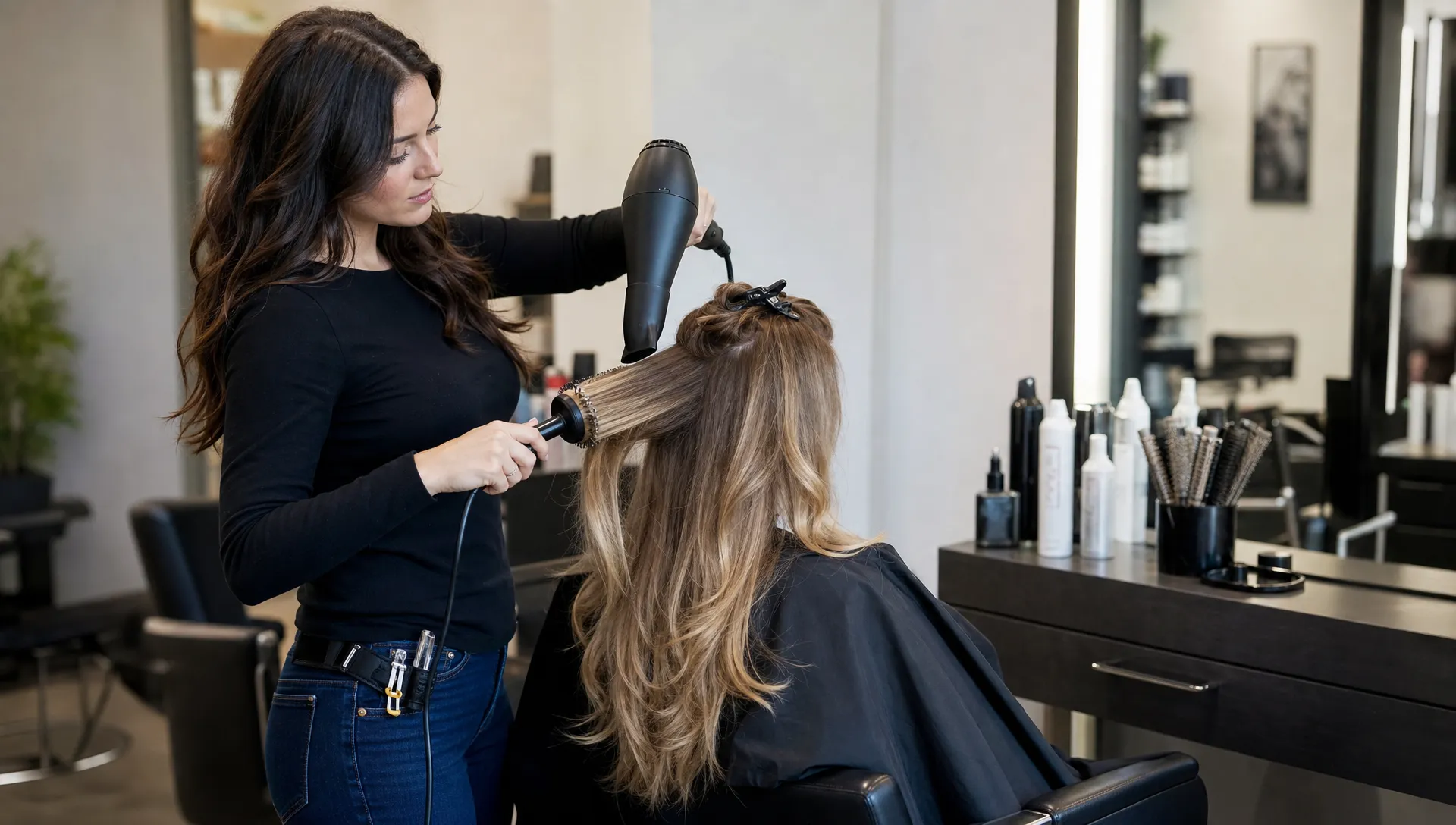
The blow-dry itself is where professional technique matters. Stylists use sectioning, brush tension and airflow direction to smooth the cuticle and create the desired movement. A round brush may add volume and bend, while a paddle brush can help create a sleeker finish. Some styles may be refined with a curling iron or flat iron, depending on the service and the condition of your hair.

At a blowout lounge, heat styling should feel controlled. If something feels too hot, too tight or uncomfortable, speak up. A professional stylist would rather adjust technique in the moment than risk irritation, breakage or a result that does not suit you.

Appointment stage What happens Why it matters
Consultation You discuss hair history, texture and styling goals Helps personalize the finish and protect hair health
Shampoo and conditioning Hair is cleansed, treated and detangled Creates a clean foundation for longer-lasting style
Product prep Heat protectant and styling products are applied Supports hold, smoothness, volume or humidity control
Blow-dry and shaping Hair is sectioned, dried and styled with brushes Creates the main shape and polish of the look
Finishing Ends, flyaways and shine are refined Makes the style feel complete and photo-ready

A stylist sections long hair with a round brush and blow dryer while the client sits in a salon chair, with tools and products visible at the station.

How long the appointment takes

Timing depends on your hair and the look you choose. A simple blowout may take around 45 minutes, while thick, long, curly or extension-enhanced hair can take longer. If you add a conditioning treatment, trim, silk press or event styling, the appointment time will usually increase.

Avoid booking too tightly before an event. If you have dinner at 7 p.m., a wedding call time or family photos, give yourself a buffer. Hair services can run longer when the stylist needs to detangle carefully, smooth dense sections or adjust the finish after the first pass.

Pricing can also vary by salon, hair length, texture, add-ons and stylist level. The best approach is to confirm the service details before your visit. Clear pricing and policies are part of any professional appointment-based business. Even outside beauty, firms like Janssen Van den Biezenbos Advocaten show how useful it is when service providers make contact details, rates and terms easy to find.

What to ask for if you want a specific result

A stylist can interpret “volume” or “sleek” in several ways, so use practical language. Instead of saying you want it “cute,” describe what you want the hair to do. Do you want lift at the crown, soft curls away from the face, smooth ends, no frizz, a middle part or a side part with movement?

Here are a few useful phrases to bring into the consultation:

  • “I want body at the roots, but I do not want my ends flipped too much.”
  • “I need this to last through humidity, so please use products that help with hold.”
  • “I like a soft bend, not tight curls.”
  • “My hair gets oily quickly, so keep the products lightweight.”
  • “I want a smooth finish, but I still want my hair to have movement.”

If you wear extensions, protective styles or natural hair, mention the details before the service starts. The more your stylist knows about your install, maintenance routine or texture goals, the easier it is to choose the safest method.

Aftercare: keeping your blowout fresh

The first 24 hours matter. Avoid steam, heavy workouts, rain and touching your hair too much if you want the style to last. Humidity and moisture can relax the shape, especially if your hair naturally curls, waves or frizzes.

At night, use a silk or satin scarf, bonnet or pillowcase to reduce friction. You can loosely wrap smoother styles or use large pin curls for bouncy looks. In the morning, refresh with minimal product so the hair does not become heavy.

Dry shampoo can help at the roots, but use it lightly. Too much powder can dull shine and make the hair feel coated. If the ends need polish, warm a tiny amount of serum in your hands and apply it only where needed.

For a deeper routine, read Kingdom Cute’s guide on making a blowout last longer without heat damage. The right blowout lounge aftercare plan helps you enjoy the style for more than just the appointment day.

When a blowout is not the right service

A blowout can do a lot, but it cannot fix every hair concern. If your ends are severely split, your color needs correction or your hair needs reshaping, a styling-only appointment may make the hair look better temporarily without solving the underlying issue.

If your scalp is irritated, inflamed or unusually tender, tell your stylist before shampooing. You may need a gentler approach or a consultation before heat styling. If your hair is breaking, overprocessed or shedding more than usual, a conditioning treatment or haircut consultation may be more appropriate than a high-tension style.

A quality salon will help you choose the right service instead of forcing a style that compromises your hair. Sometimes the best appointment is a blowout, and sometimes it is a treatment, trim or personalized plan that gets your hair ready for better styling later.

Frequently Asked Questions

How should I arrive for a blowout appointment? Most salons can shampoo your hair as part of the service, so you do not usually need to arrive freshly washed. Arrive with your hair detangled if possible and avoid heavy oils or product buildup unless your stylist tells you otherwise.

How long does a professional blowout last? Many blowouts last two to five days, depending on hair texture, weather, scalp oil, products and nighttime care. Curly, coily or humidity-sensitive hair may need more protective aftercare to maintain the finish.

Can I book a blowout lounge appointment for an event? Yes. Blowouts are popular for dinners, work events, bridal weekends, photos and celebrations. Book with extra time if you need curls, accessories, extension blending or a more formal finish.

Will a blowout damage my hair? A single professional blowout should not damage healthy hair when proper heat protection, tension control and technique are used. Repeated high heat without care can cause dryness or breakage, so talk with your stylist about safe frequency.

Can textured or natural hair get a blowout? Yes, but the technique may be different. Natural, curly and coily hair often needs careful detangling, moisture balance, heat protection and controlled sectioning to create a smooth result while respecting the hair’s health.

Book a polished salon experience in Warner Robins

A great blowout is not just about leaving with shiny hair. It is about feeling heard, cared for and confident when you leave the chair. From consultation to finishing spray, each step should support your hair texture, your comfort and your plans for the day.

If you are ready for a professional style with a luxury salon feel, book your appointment with Kingdom Cute and enjoy a personalized experience designed around your look, your hair health and your confidence.

Saturday, September 12, 2026

A Pixie Cut for Round Face Shapes That Creates Beautiful Balance

A Pixie Cut for Round Face Shapes That Creates Beautiful Balance

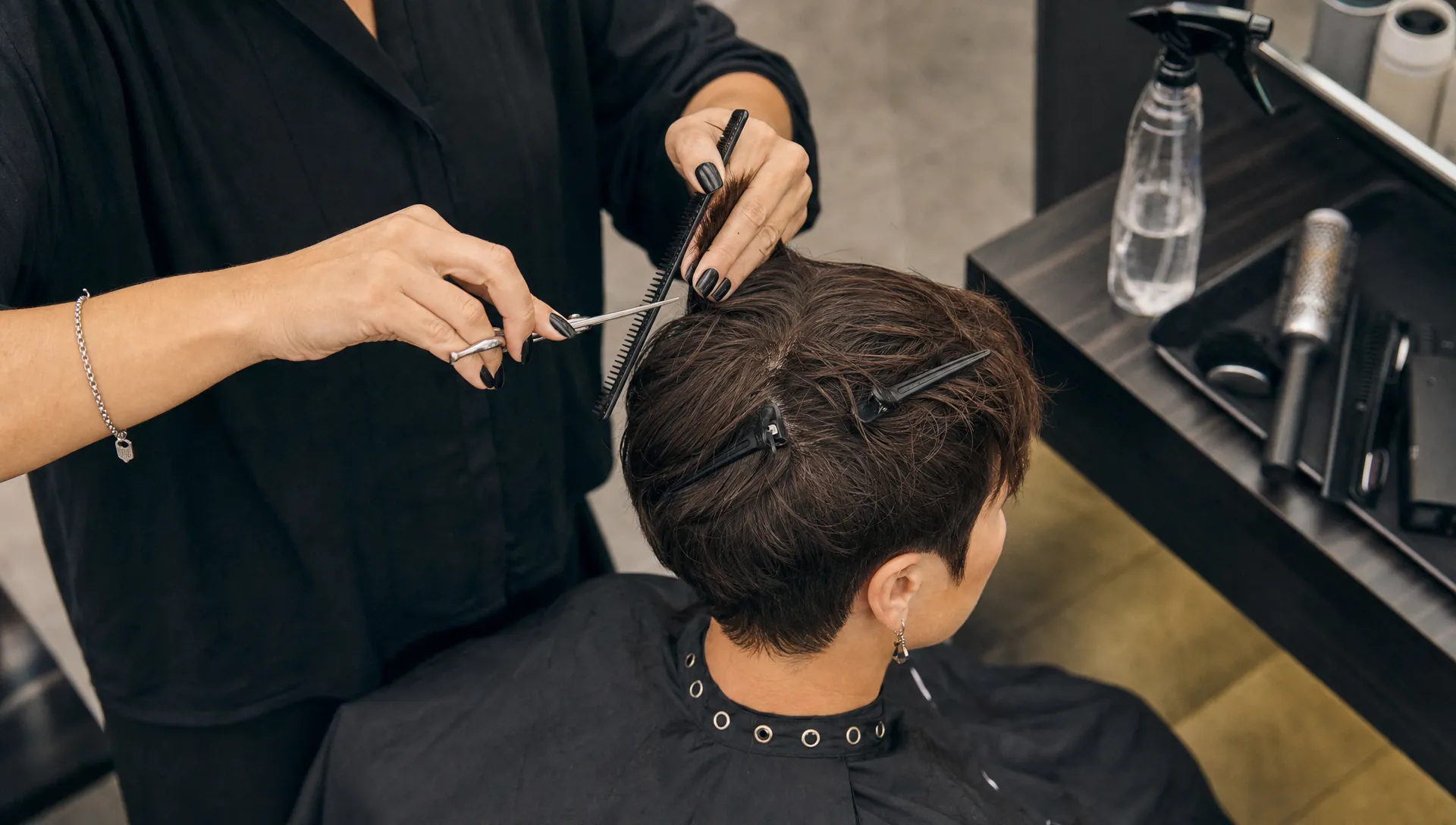
A pixie cut for round face shapes can be one of the most flattering short hair choices when the cut is built with balance in mind. The goal is not to hide your face shape. It is to create lift, angle and movement so your features feel beautifully framed from every side.

Round faces often have soft cheeks, a gently curved jawline and similar width through the cheekbones and face length. That softness is beautiful, but a short haircut needs the right structure so it does not add extra width at the sides. With the right consultation, a pixie can make the eyes pop, define the cheekbones and give the whole look a polished, confident finish.

Why a pixie cut for round face shapes works

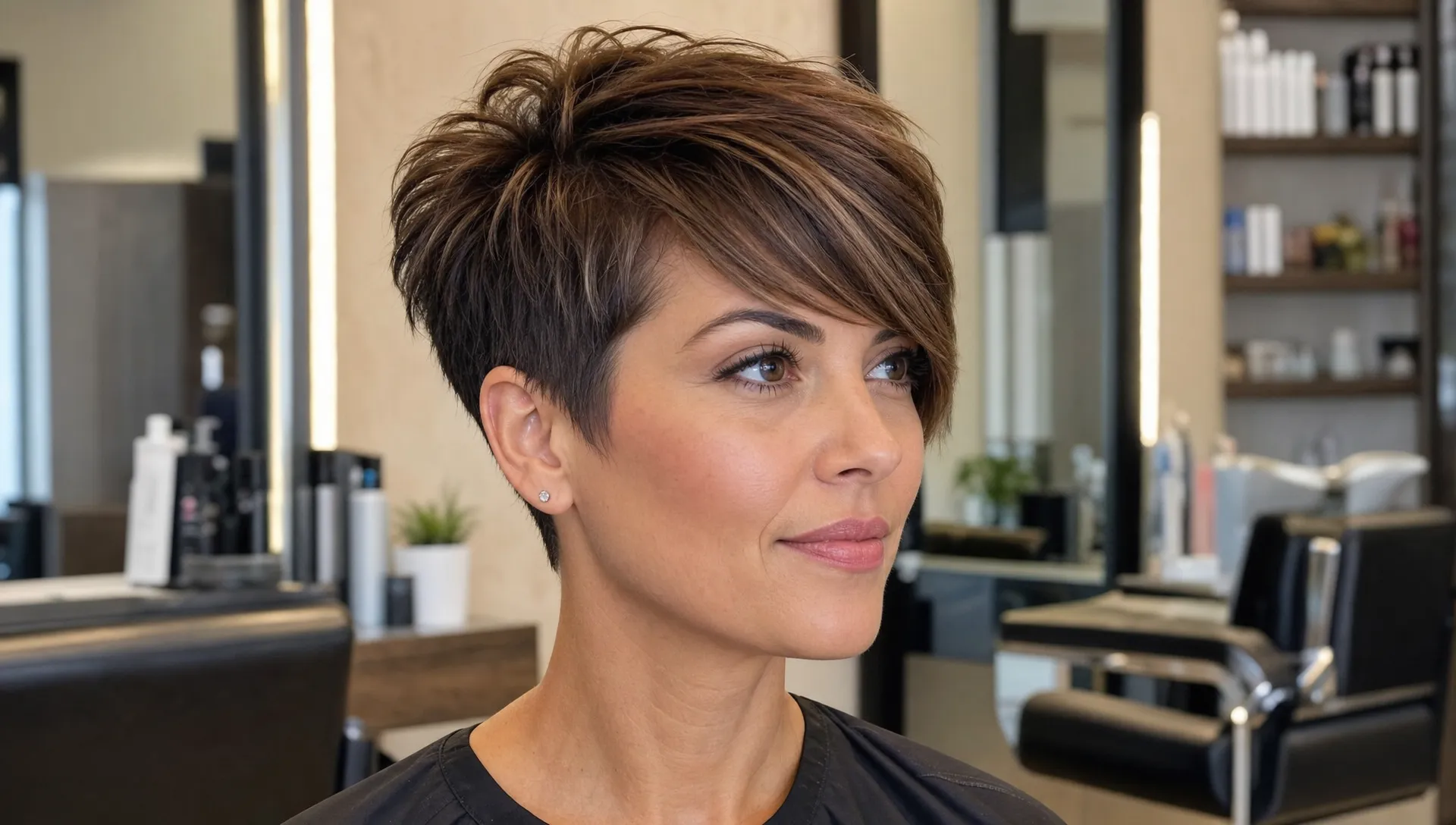
A strong pixie works because it changes where the eye travels. Instead of letting the shape sit widest at the cheeks, your stylist can create height at the crown, a slightly angled fringe and a clean neckline. These details lengthen the visual line of the face without making the haircut feel severe.

The most flattering approach usually combines softness and architecture. Too much roundness in the cut can echo the face shape too closely. Too much sharpness can feel disconnected from soft features. The sweet spot is a pixie that has movement on top, neatness around the ears and a perimeter that feels intentional.

Face shape is only one part of the decision. Hair density, curl pattern, cowlicks, color history and daily styling habits all affect the final result. That is why a salon consultation matters, especially with a cut this precise.

The shape details that create beautiful balance

The best pixie cut for round face shapes is not one single haircut. It is a set of design choices that your stylist adjusts to your features. Small changes, like where the fringe lands or how tight the sides are tapered, can completely change how the cut frames your face.

Lift at the crown

Height through the crown is one of the most useful details for round faces. It adds vertical movement, which helps the face look a bit longer and more sculpted. This does not mean the top has to be spiky or dramatic. A soft, lifted crown with light texture can be enough.

If your hair tends to fall flat, ask for layers that support volume without thinning out the ends too much. Fine hair often needs internal structure, not aggressive texturizing. If that sounds like your hair, Kingdom Cute’s guide to pixie haircuts for fine hair explains how crown layering can create the look of more lift.

A side-swept or angled fringe

A straight, heavy fringe can shorten the face and emphasize width. A side-swept fringe, curved fringe or soft diagonal bang usually works better because it breaks up the roundness with an angled line. The fringe can be long and elegant or shorter and textured, depending on your style.

Tapered sides and neckline

A tapered side keeps the silhouette clean. When the hair expands too much around the cheeks or ears, the face may appear wider. A controlled taper at the sides and nape keeps the shape neat while letting the top carry the movement.

Design detail Why it flatters a round face What to ask your stylist
Crown height Adds visual length Soft lift with supportive layers
Side-swept fringe Creates a diagonal line Fringe that moves across the forehead
Tapered sides Reduces side width Clean shape around ears and temples
Textured top Adds movement and separation Piecey layers without over-thinning
Defined neckline Polishes the silhouette Tapered or softly carved nape

Pixie styles to consider before your salon visit

A softer pixie cut for round face shapes can still feel modern, feminine, edgy or classic. The right variation depends on how much styling you want to do and how bold you want the change to feel.

The textured tapered pixie

This is a balanced option for many first-time pixie clients. The sides and nape stay neat, while the top has texture that can be worn smooth, tousled or lightly lifted. It is especially flattering when the longest pieces move upward or diagonally instead of sitting wide at the cheekbones.

The long side-swept pixie

A long pixie is a great choice if you want short hair without feeling too exposed. The extra length around the front gives you styling flexibility and can soften the transition from a bob or lob. For more variations, you can compare shapes in these long pixie cut ideas before your appointment.

The pixie with a cropped side

A slightly cropped side can create a beautiful contrast with a longer top. This works well when the top is directed upward or across the forehead. The key is keeping the shape tailored, not bulky, through the temples.

The curly or coily pixie

Curly and coily pixies can be stunning on round faces when the volume is placed with intention. Instead of removing all fullness, your stylist can keep lift on top and shape the sides so the curls frame rather than widen the face.

How texture and density change the final cut

For textured hair, a pixie cut for round face shapes should be planned around the way the hair naturally expands, shrinks and moves. Cutting curly, coily or wavy hair too short in the wrong area can change the balance after the hair dries. A skilled stylist will consider shrinkage, curl grouping and how the style will look between appointments.

Fine hair needs a different strategy. The cut should preserve enough density along the perimeter so the hair does not look wispy. Thick hair usually needs weight removal, but only in the right places. If too much bulk remains on the sides, the style can widen the face. If too much is removed on top, the cut may lose its flattering lift.

Straight hair can show every line in a pixie, so precision matters. Wavy hair often benefits from soft point cutting or texturizing that encourages movement. Natural hair may need shaping that respects curl pattern, protective styling goals and preferred maintenance.

A salon portrait shows a balanced pixie cut with side-swept fringe, lifted crown, and tapered sides.

Styling tips that keep the balance at home

Styling a pixie cut for round face shapes is usually faster than styling long hair, but the details still matter. A few minutes with the right product can make the difference between a cut that looks intentional and one that falls flat.

Start by directing the top upward or slightly to the side while blow-drying. Use your fingers or a small brush to lift at the roots. If you wear fringe, guide it diagonally rather than straight down. This keeps the eye moving across the face instead of stopping at the widest point.

Choose styling products based on your texture. A lightweight mousse can support fine hair. A cream can soften curls and waves. A paste or wax can define piecey texture, but use a small amount so the hair does not collapse. For silk press clients, a light finishing serum may add polish without weighing down the crown.

Color can also support the shape. Subtle dimension on top can make layers look more defined, while overly dark, solid color around the sides may make the outline feel heavier. Face-framing brightness should be placed carefully so it lifts the look rather than emphasizing cheek width.

What to discuss during your consultation

A great short haircut begins before the scissors come out. Bring a few reference photos, but be open to adjustments. Your stylist may love the inspiration while still changing the fringe, side length or neckline to better fit your face and hair texture.

If you are considering a major change, it helps to talk through these points:

  • How much height you want at the crown
  • Whether you prefer soft, bold or classic styling
  • How your hair behaves after washing
  • How often you can return for trims
  • Whether you wear glasses, makeup or statement earrings
  • How much time you want to spend styling each morning

Cleanliness and station care are also part of a quality salon experience. A salon should feel relaxing, but tools, capes and surfaces still need professional attention. If you are curious how serious hygiene systems work in larger production settings, Innovative Water Concepts shares examples of sustainable contamination-control technology used at industrial scale. In a salon, the principle is simpler, clean tools and thoughtful process help every appointment feel safe, polished and professional.

For more guidance on choosing the right stylist for a precise short cut, read Kingdom Cute’s article on how to choose the right salon for a pixie cut.

How often should you maintain the shape?

A tailored pixie cut for round face shapes usually looks best with regular maintenance. Many pixie clients schedule trims every 4 to 6 weeks, depending on how fast their hair grows and how structured the cut is. A very cropped or tapered pixie may need more frequent shaping, while a longer pixie can often stretch a little longer.

Maintenance is not only about length. It keeps the balance where it belongs. As the sides grow out, they can add width. As the crown gets heavier, it can lose lift. A quick reshape helps the cut keep the same flattering proportions you loved on day one.

If you color your hair, coordinate your cut and color appointments so the shape and dimension work together. Fresh color on an overgrown pixie may not have the same impact as fresh color placed on a clean silhouette.

Frequently Asked Questions

Is a pixie cut for round face shapes flattering on everyone? It can be very flattering when customized. The most important details are crown lift, side control, diagonal movement and a fringe that suits your features.

Should round faces avoid short hair? No. Round faces do not need to avoid short hair. They usually need short hair with thoughtful shape, especially around the crown, temples and fringe.

What pixie detail should I avoid if my face is round? Be cautious with heavy width at the cheeks, blunt straight-across bangs and overly rounded sides. These details can make the face look wider.

Can I wear a pixie if my hair is curly or natural? Yes. Curly, coily and natural hair can look beautiful in a pixie when the cut accounts for shrinkage, density and curl pattern.

How do I know which pixie style to bring to my stylist? Bring photos that show the front, side and back. Your stylist can then adjust the shape to your face, hair texture and daily routine.

Ready for a pixie that feels made for you?

The right short haircut should feel confident, balanced and easy to wear. At Kingdom Cute in Warner Robins, GA, your appointment starts with a personalized consultation so your stylist can understand your face shape, texture, lifestyle and style goals before creating the look.

Whether you want a soft long pixie, a textured crop, a sleek tapered finish or a bold new shape, Kingdom Cute offers precision haircuts, styling, color, silk press services, conditioning treatments and more in a modern salon environment. Book your appointment online and let your next cut tell a story you love.