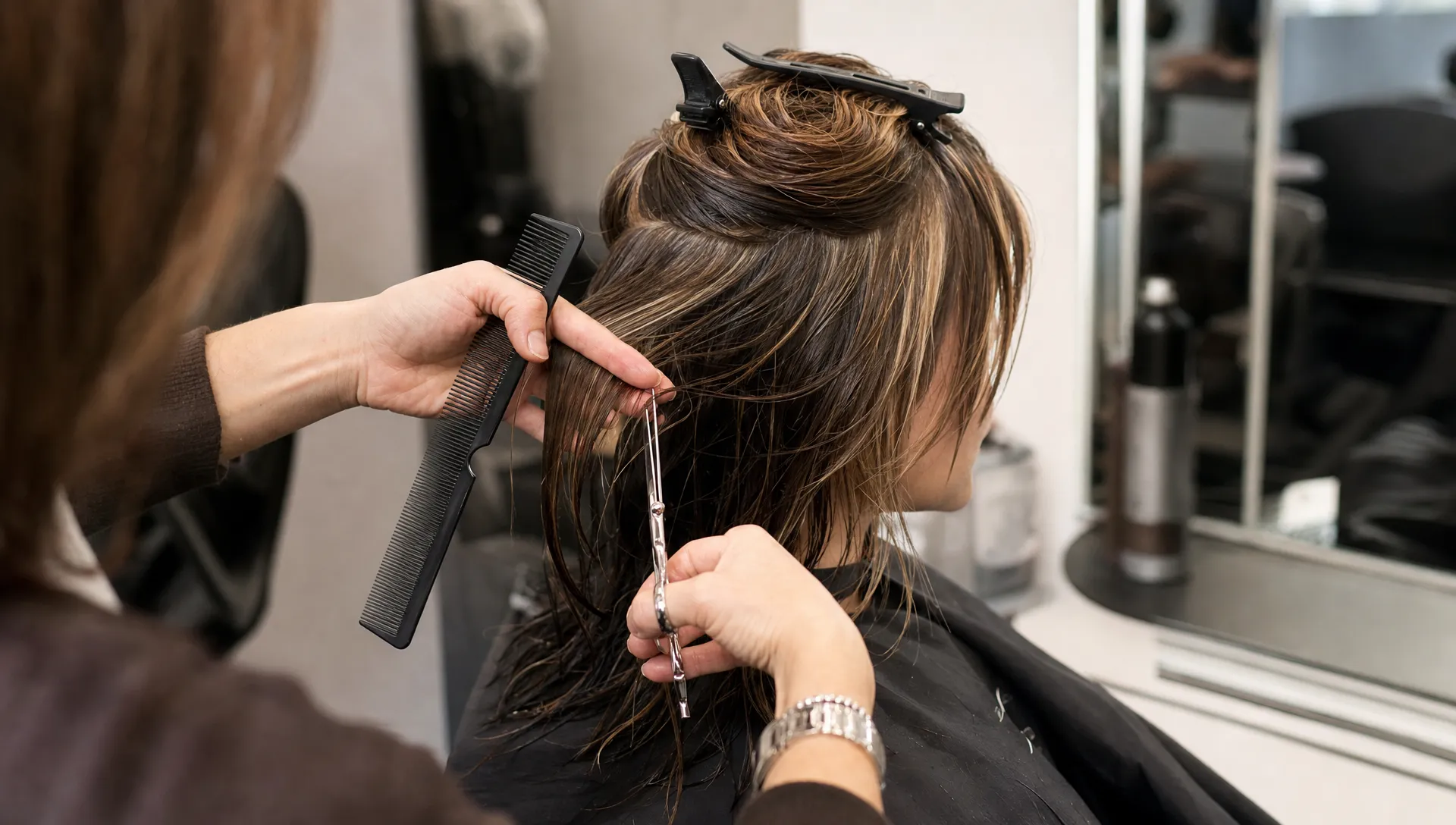
The best layered haircuts for older women are not simply shorter or “age appropriate”; they are designed to keep their silhouette as the hair grows, softens or changes texture over time. A beautiful cut should look polished on salon day and still feel manageable four, six or even eight weeks later.
For many women, the goal is not to chase a trend. It is to find a shape that lifts the face, adds movement, supports natural volume and works with real life. That might mean a softly stacked bob, a feathered pixie, a shoulder-length cut with light face-framing or long layers that remove weight without making the ends look thin.
Why layered haircuts for older women keep their shape when designed well
Shape-holding layers start with structure. A stylist is not just cutting “short pieces” into the hair; they are deciding where weight should stay and where movement should be released. On mature hair, that decision matters because hair density, growth patterns and texture can shift with age.
A cut that keeps its shape usually has three things working together: a clear perimeter, blended internal layers and a front section that flatters the cheekbones, jawline or glasses. If the outline is too wispy, the haircut can collapse. If the layers are too heavy, the hair may look round in the wrong places. The sweet spot is a cut that has enough weight to look full and enough layering to move.
This is where a personalized consultation makes a difference. At Kingdom Cute in Warner Robins, GA, the conversation before the cut is part of the service: your daily styling routine, hair texture, color goals and comfort level with maintenance all affect the final shape.
What “keeps its shape” really means
A haircut that keeps its shape does not mean it never needs a trim. It means the cut grows out in a way that still looks intentional. The neckline should not feel bulky too quickly, the crown should not fall flat immediately and the front pieces should still frame your face instead of hanging into it.
With layered haircuts for older women, the goal is often soft architecture. The haircut needs to support the face without looking stiff. That can mean shorter layers at the crown for lift, longer layers through the sides for elegance or subtle shaping around the jaw to bring attention upward.
Good shape also depends on what is not cut. Over-layering can make fine or thinning ends look sparse. Under-layering can leave thick hair with a triangular shape. Your stylist should tailor the layer pattern to your hair density rather than copying a photo exactly.
A simple way to judge shape is to ask whether the cut still looks balanced when air-dried, tucked behind the ear or styled quickly with a round brush. If it only works with a full salon blowout, it may not be the right everyday shape.
The most reliable layered cuts by length
Different lengths hold shape in different ways. Shorter cuts usually need more frequent maintenance, but they can deliver excellent lift. Medium lengths offer flexibility and tend to grow out gracefully. Longer layers can be beautiful when the ends are kept strong.
| Cut style | Best for | Why it holds shape | Typical maintenance rhythm |
|---|---|---|---|
| Soft layered bob | Fine to medium hair, straight or wavy texture | Keeps a strong outline while adding light movement | About every 6-8 weeks |
| Textured pixie | Petite features, strong cheekbones or low-maintenance styling | Crown layers create lift and reduce bulk at the sides | About every 4-6 weeks |
| Bixie cut | Women who want short hair with softness | Combines pixie volume with bob-like shape | About every 5-7 weeks |
| Shoulder-length layers | Medium to thick hair, waves or loose curls | Removes weight without sacrificing fullness at the ends | About every 8-10 weeks |
| Long soft layers | Women who want to keep length | Adds movement while preserving a healthy perimeter | About every 10-12 weeks |
If you love the idea of an easy bob, our guide to a short layered bob for older ladies explains how that shape can create everyday volume without looking overly styled.
Short layers that lift without looking severe
Short layered styles work beautifully when they are soft, not spiky or harsh. A rounded pixie, tapered crop or bixie can open the face, show off earrings and make silver or highlighted hair look fresh. The key is keeping enough softness around the hairline, especially near the temples and ears.
For layered haircuts for older women, short shapes should be customized around the neckline. A neckline that is too blunt can feel heavy as it grows. One that is too wispy may lose polish within weeks. A gentle taper often creates the best balance because it hugs the head and keeps the silhouette neat.
Glasses also change the way short layers sit. If the side pieces are too bulky, they can compete with frames. If they are too short, the cut may feel exposed. For more frame-friendly ideas, see our article on short hairstyles for women over 60 with glasses.
Medium layered cuts with the easiest grow-out
Medium layered cuts are often the most forgiving choice. A collarbone-length cut or shoulder-grazing lob can be styled smooth, waved, tucked back or worn with natural movement. It gives enough length to feel feminine while keeping the ends healthy.
The strongest medium cuts usually keep the bottom line fuller. Instead of cutting many short layers through the lower half, your stylist may add internal movement higher up and softer pieces around the face. This helps the cut move without thinning out the ends.
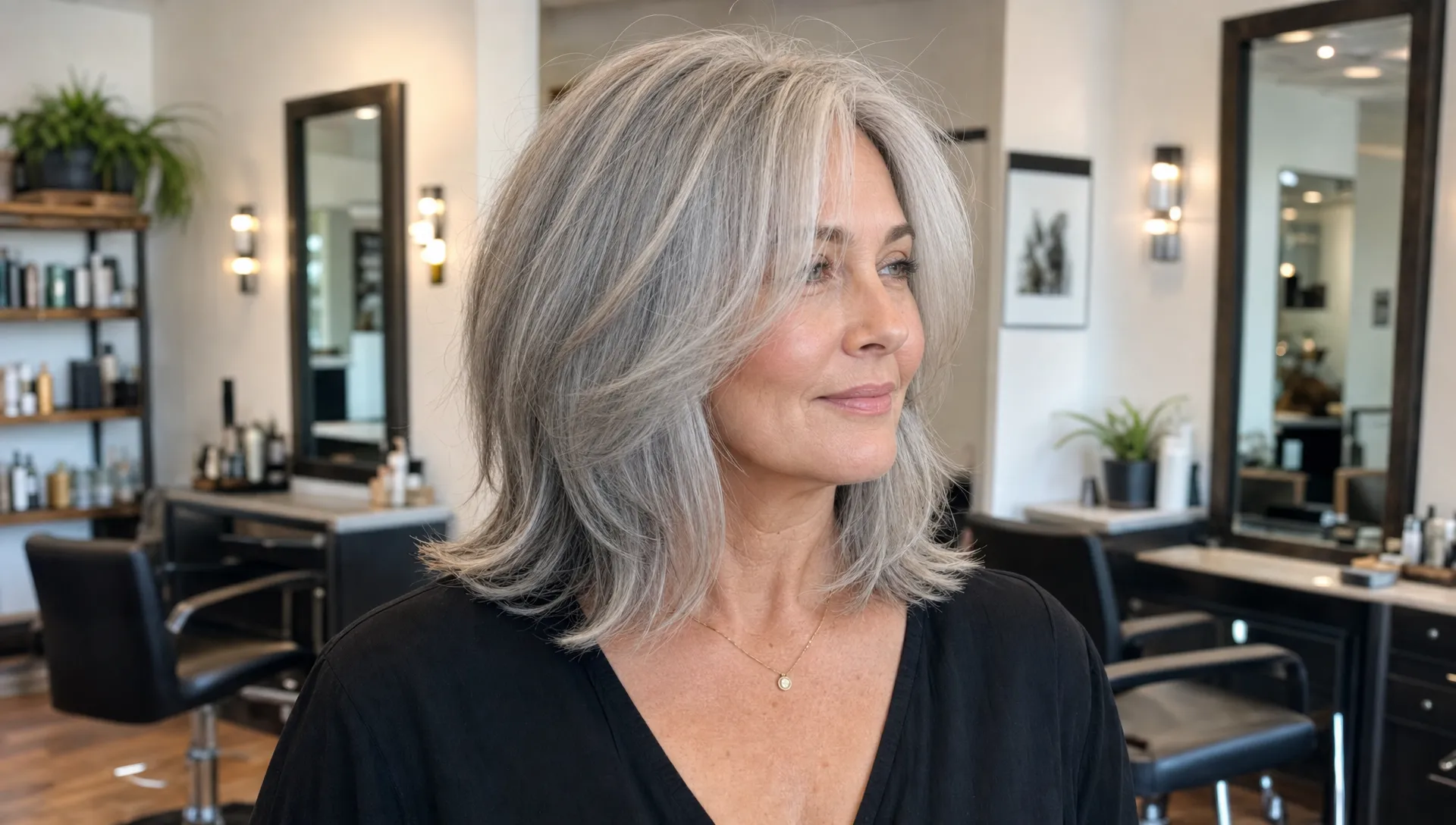
Curtain bangs or cheekbone-length face-framing can work well at this length, especially if you want lift without committing to short bangs. The front layers should blend into the sides so the haircut does not separate into disconnected pieces as it grows.
Long layers that do not drag the face down
Long hair can be flattering at any age when the shape is intentional. The main challenge is avoiding heavy length that pulls the eye downward or thin ends that make the hair look tired. Long layers should be soft, strategic and supported by regular conditioning.
The goal with layered haircuts for older women who prefer longer hair is to keep movement near the face while protecting fullness through the ends. Long face-framing layers can open the cheek area, while subtle layers through the back prevent the hair from hanging like one heavy sheet.
If your ends are fragile from color, heat or seasonal dryness, a U-shaped perimeter can be more forgiving than a sharp V. It keeps the length looking full from the front and back. For women who want to preserve length, small maintenance trims are usually better than waiting until the ends need a major reset.
How hair texture changes the layer plan
Fine hair needs restraint. Too many layers can make it look airy in the wrong way, especially around the ends. A blunt or softly beveled perimeter with a few invisible layers often creates a fuller result. If density is a concern, our guide to layered haircuts for thin hair goes deeper into how to build fullness with strategic shape.
Thick hair often needs the opposite approach. Internal layers can remove bulk so the cut does not widen at the sides. The stylist may reduce weight underneath while leaving the surface polished. This keeps the style from looking choppy.
Curly and wavy hair should be layered according to curl pattern, shrinkage and density. A layer that looks subtle when wet can spring up much shorter when dry. For textured hair, the best result usually comes from cutting with the natural pattern in mind rather than forcing the hair into a straight-hair template.
Gray and silver hair can also respond differently to styling products because it may feel coarser, drier or more wiry. Layers should enhance the natural reflectiveness of silver hair, not create frizz through excessive texturizing.
Styling habits that help layers last between visits
At home, layered haircuts for older women hold their shape best when styling is simple and consistent. You do not need a complicated routine, but you do need the right basics: moisture, gentle heat and a product that matches your hair type.
Start with conditioner every time you shampoo unless your stylist recommends otherwise. The American Academy of Dermatology Association advises using conditioner after shampooing because it can improve the look of damaged or weathered hair. For mature hair that feels dry or dull, a salon conditioning treatment can also help the cut look smoother and more defined.
A round brush can lift the crown and bevel the ends, but the brush size matters. A medium brush gives bend and body. A very large brush may smooth the hair but remove shape, especially on shorter layers. If you prefer air-drying, ask your stylist to show you where to place a light cream, mousse or volumizing spray.
Heat should support the cut, not fight it. Use a lower setting when possible and focus on directing the roots where you want volume. Once the roots are dry in the right position, the rest of the style usually falls into place more easily.
Maintenance: trims, color and real-life appointments
Even the best layered haircuts for older women need a maintenance rhythm. Short pixies and bixies may need reshaping sooner because the neckline and sides grow out quickly. Medium and longer layers can often go longer between appointments, but the ends still need attention if they start to split or lose their clean line.
Color also affects the way layers read. Highlights can make movement more visible, especially around the face. A rich single-process color can make a structured bob look sleek and dense. Gray blending can soften grow-out and make layered texture look more natural.
Consistency also depends on practical details such as reminders, online calendars and reliable communication. The same reliability principle is why many Southeast businesses work with proactive IT support from Shring Technologies to keep appointments, calls and systems running smoothly.
At Kingdom Cute, online appointment booking makes it easier to keep your trim, color or conditioning service on schedule. If your haircut tends to lose shape at the same point every time, tell your stylist. That timing is useful information for adjusting either the cut or your maintenance plan.
What to ask your stylist before the cut
A strong consultation prevents most haircut regrets. Photos are helpful, but the best conversation goes beyond the picture. Bring inspiration images that show the front, side and back if possible, then talk honestly about how much time you want to spend styling.
Helpful questions include:
- “Will this shape work with my natural texture?”
- “How often will I need a trim to keep it looking polished?”
- “Can we keep fullness at the ends?”
- “Where will the shortest layer sit when my hair dries?”
- “What should I use at home to recreate the shape?”
If you wear glasses, part your hair in a specific place or prefer to air-dry, mention it before the first cut. Small details can change the placement of face-framing layers. A thoughtful stylist will adapt the haircut to your lifestyle, not just your hair type.
The best result is a cut that feels like you, only more intentional. It should flatter your features, respect your texture and grow out in a way that still feels polished between visits.
Frequently Asked Questions
What layered haircut is best for older women who want volume? A softly layered bob, bixie or shoulder-length cut with crown layers can add volume without making the hair look overcut. The best choice depends on density, texture and how much styling you want to do.
Do layered haircuts make older women look younger? A flattering layered cut can make the face look more lifted and the hair look fuller, which often creates a fresher appearance. The goal is not to look younger at any cost, but to choose a shape that feels current and confident.
Are layered haircuts for older women good for thinning hair? They can be, as long as the layers are strategic. Fine or thinning hair usually needs a strong perimeter, subtle internal movement and careful face-framing rather than lots of short layers.
How often should I trim a layered haircut? Short layered cuts often need a trim every 4-7 weeks, while medium and long layered styles may hold for 8-12 weeks. Your exact schedule depends on growth rate, color services and how quickly the shape changes.
Can layered haircuts work with gray hair? Yes. Layers can make gray, silver or white hair look dimensional and soft. The cut should account for texture changes, since gray hair may feel drier or more resistant to smoothing.
Ready for a shape that lasts?
A layered cut should not leave you guessing every morning. With the right structure, styling plan and maintenance schedule, your hair can look polished without demanding too much effort.
If you are in Warner Robins or the surrounding area, schedule a personalized consultation with Kingdom Cute Hair Salon. Our team can help you choose a layered shape that flatters your features, supports your texture and keeps its style between visits.

No comments:
Post a Comment