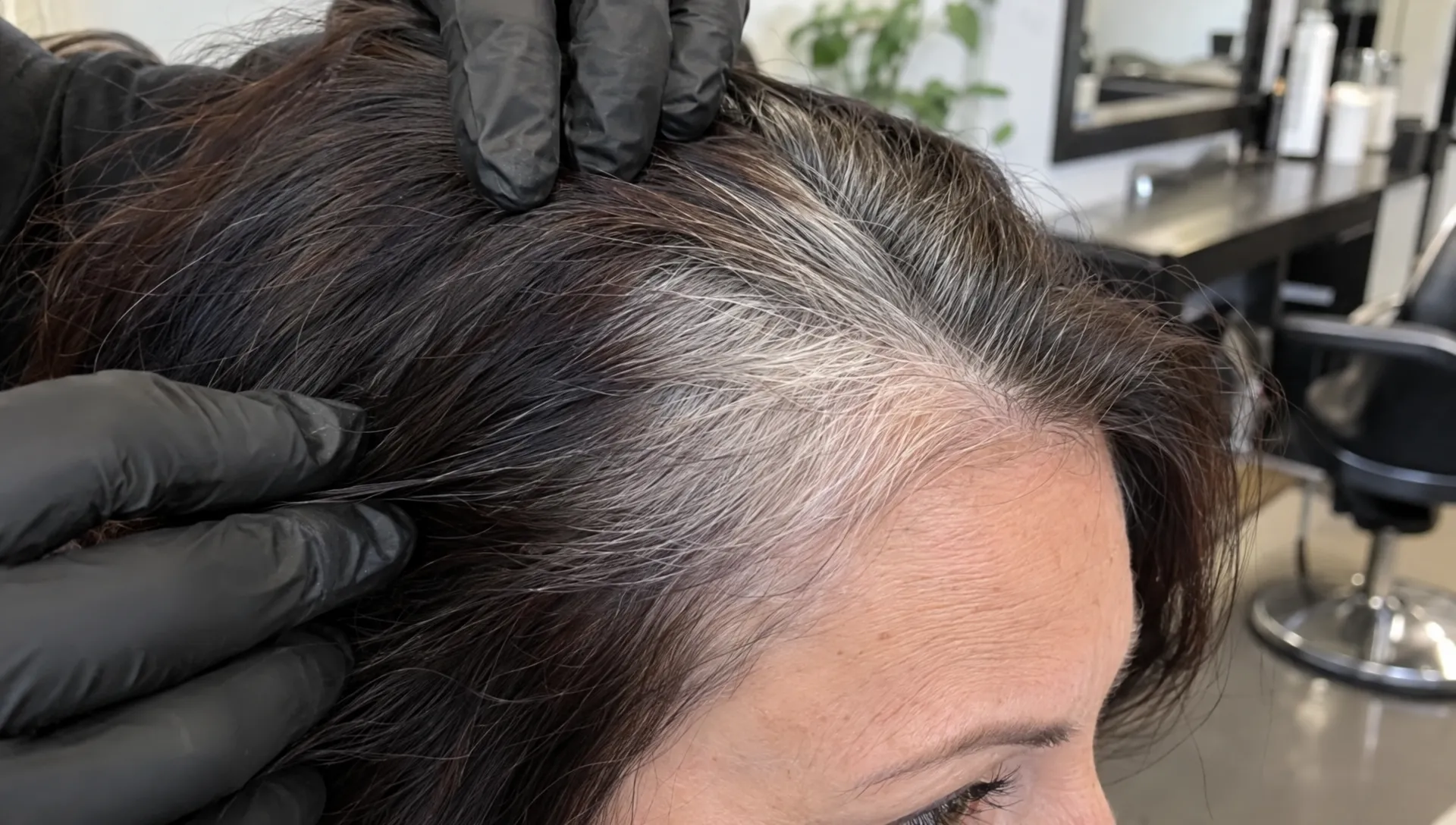
Searching for “gray blending warner robins” is a start, but choosing the right color appointment takes more than finding a nearby salon. You need to know whether the proposed service will soften your roots, preserve the silver you like and fit the amount of upkeep you actually want.
Gray blending reduces the contrast between gray and pigmented hair rather than necessarily covering every gray strand. The approach can involve highlights, lowlights, sheer color or a combination of techniques. Before booking, use these questions to get a clear picture of the likely result, the condition of your hair and the commitment afterward.
Gray Blending Warner Robins: What Should I Ask First?
Start with this question: “Are we trying to soften my gray, cover it or help me grow it out?” These are different goals, and the answer should guide the entire appointment.
You might want to keep a silver streak at your hairline while making darker lengths look less disconnected. Someone else may want their gray to remain visible but less noticeable throughout the head. Neither goal automatically calls for full permanent coverage.
| Your goal | What to discuss | Trade-off to understand |
|---|---|---|
| Soften scattered gray | Fine highlights, selective lowlights or sheer color | Some gray will remain visible |
| Preserve a salt-and-pepper look | Placement that works with your natural pattern | Too many dark lowlights can make the result darker than intended |
| Transition away from permanent color | A staged plan for the roots and previously colored lengths | Old color may require several appointments or gradual trimming |
| Hide nearly all visible gray | Coverage-focused color rather than blending alone | Regrowth can create a more noticeable boundary |
When comparing options for gray blending in Warner Robins, bring photos of results you like and explain what appeals to you. “I like the softer hairline” is more useful than simply asking for the same color as someone whose starting point is different.
Which Technique Fits My Gray Pattern?
Ask: “Where is my gray concentrated, and how will that affect the placement?”
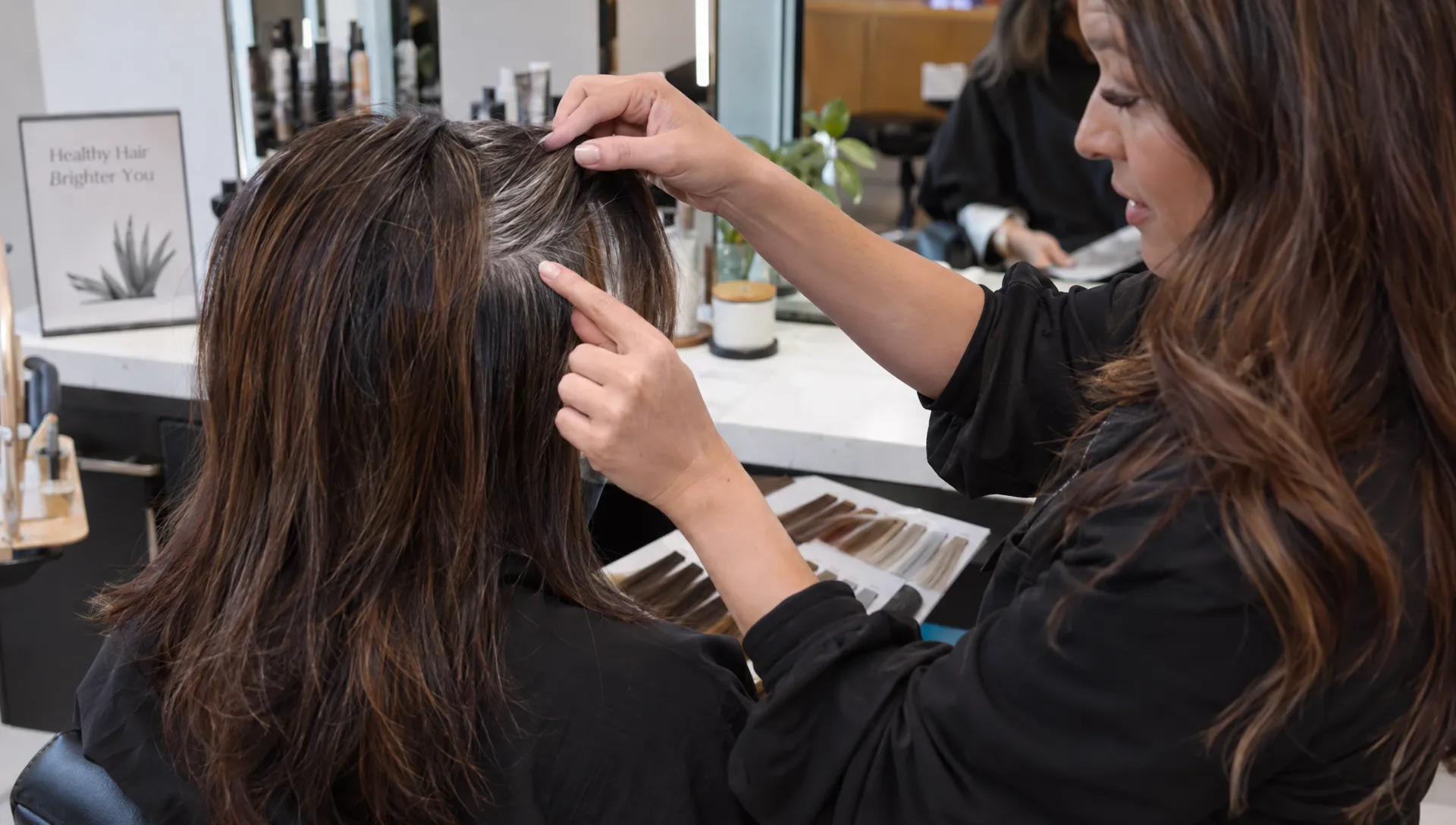
Gray does not always appear evenly. You may have a bright temple streak, scattered strands through the crown or a mostly silver front with a darker back. A useful consultation addresses those differences instead of treating your entire head as one uniform color.
Have the stylist explain each proposed technique in plain language. Highlights lighten selected strands to reduce contrast. Lowlights add darker dimension. A root shadow adds depth near the scalp, but it may not suit someone who wants to stop coloring their roots. A toner or gloss can adjust tone without necessarily providing full gray coverage.
Also ask to see relevant work on hair with a similar starting color, texture and gray distribution. A freshly styled photo shows the finish, but an example of the grow-out can help you judge whether the approach fits your routine.
For gray blending in Warner Robins, the useful question is not simply whether a salon offers highlights. It is why a particular placement makes sense for your roots and lengths.
What Happens to My Existing Permanent Color?
If you have been coloring your roots for years, ask: “How will you handle the line between my natural gray and my previously colored hair?”
That boundary often matters more than the amount of gray itself. Newly grown silver hair and dark, repeatedly colored lengths have different starting points. Applying one formula everywhere may not make them match.
Tell the stylist about home color, salon color, henna, color removers and any previous lightening. Include products used on the lengths even if you stopped applying them months ago. That history can affect what is realistic now.
Ask whether a strand test would help assess how the old color lifts and how the hair tolerates the proposed process. Then clarify whether the first visit is intended to create a finished look or make the transition less noticeable while you continue growing it out.
A responsible plan for gray blending in Warner Robins may involve a modest first change rather than a dramatic silver transformation. You should understand what can reasonably happen now, what may take longer and whether gradual cutting is part of the plan.
How Will You Protect My Hair and Scalp?
Ask: “Given my texture and chemical history, what would make you change or postpone this service?”
The answer should account for more than appearance. Existing breakage, fragile ends, scalp irritation and overlapping chemical services can affect the plan. A conditioning treatment may improve feel and manageability, but it cannot make every lightening process appropriate.
If you wear your hair natural, relaxed or regularly silk-pressed, explain your usual routine. Ask how the proposed color could affect the condition of your curls or coils and whether lightening is advisable on previously relaxed sections. Our guide to finding a stylist for silk press and color offers additional questions about combining those services.
Distinguish a strand test from a skin allergy test. A strand test evaluates a small section of hair. An allergy test follows the color product’s directions to check for a possible skin reaction. The FDA’s hair dye safety guidance advises following package directions and performing the recommended skin test before each use, even if you have used hair dye before.
Hair health should shape your gray blending in Warner Robins consultation, not become an afterthought once the color has been chosen.
What Will This Look Like Between Appointments?
Ask: “Can you explain how this will grow out and fade, not just how it will look today?”
A softer root boundary can reduce the urgency of touch-ups, but gray blending is not automatically maintenance-free. Lightened pieces may need tonal adjustments. Darker deposited color can fade, and some formulas can leave a visible change as they grow out.
Ask the stylist to separate maintenance into three categories: refreshing tone, adjusting highlights or lowlights and coloring the roots. You may not need all three at every visit. Request an estimated schedule based on your proposed service rather than a general promise of “low maintenance.”
Your home care should also match the actual result. Purple shampoo is not a universal requirement for gray hair; ask whether it addresses the unwanted tone in your hair, how often to use it and when to stop. Discuss cleansing, conditioning and heat protection without assuming that the most expensive routine is necessary.
Before committing to gray blending in Warner Robins, describe your real habits. Daily heat styling, frequent swimming or a preference for long gaps between appointments can influence which option is practical.
What Should the Estimate Include?
Ask: “What does the first appointment include, and what would future maintenance cost?”
A first visit involving old color may be very different from a routine refresh. Rather than comparing a single advertised price, request an estimate based on your hair length, density, color history and intended result.
Clarify whether the estimate includes toner, conditioning treatments, a haircut and finishing. If testing or closer inspection could change the plan, ask how the salon will explain any price adjustment before proceeding. It is also reasonable to ask about consultation charges, deposits and cancellation terms rather than assuming they are the same everywhere.
Appointment time matters, too. Confirm whether the booking is for a consultation only or includes color, and whether a staged transition would require separate visits. If you have an event coming up, mention the date before choosing a major change.
When budgeting for gray blending in Warner Robins, compare the first visit and the likely maintenance plan. A result that costs less initially may not suit your budget if it requires more frequent visits than you want.
Frequently Asked Questions
Does gray blending mean going blonde? No. Lighter pieces are one option, but selective lowlights or sheer color may suit some starting points. Ask how the proposed shade will work with your natural dark hair and visible gray rather than assuming blonde is necessary.
Can gray blending work on dark hair? It can, but the contrast between silver roots and dark lengths affects the approach. Previously colored dark hair may need a staged transition, while uncolored hair may allow different placement options. An assessment is needed before promising a particular result.
Will demi-permanent color wash out completely? Not necessarily. Demi-permanent color generally fades over time, but it can leave a lasting tonal change, particularly on porous or previously lightened hair. Ask what the expected fade will look like on your hair.
Can I get a silver result in one appointment? Sometimes a desired result may be possible, but it should not be assumed, especially over accumulated dark color. Hair condition, starting shade and testing should determine whether one visit is realistic.
What should I bring to the consultation? Bring a few reference photos, your recent color and chemical-service history, your usual styling routine and a realistic maintenance budget. If possible, show your normal part so the stylist can assess where your gray is most visible.
Start With a Clear Consultation
For gray blending in Warner Robins, choose a consultation that leaves you understanding the technique, the limitations and the next appointment, not just the shade name.
Kingdom Cute offers hair coloring and personalized consultations in Warner Robins. Use Kingdom Cute’s online appointment booking to request a consultation, confirm whether gray blending is available for your starting point and discuss a plan before committing to color.

No comments:
Post a Comment